

Minimally invasive hip replacement surgery: what patients should know before surgery
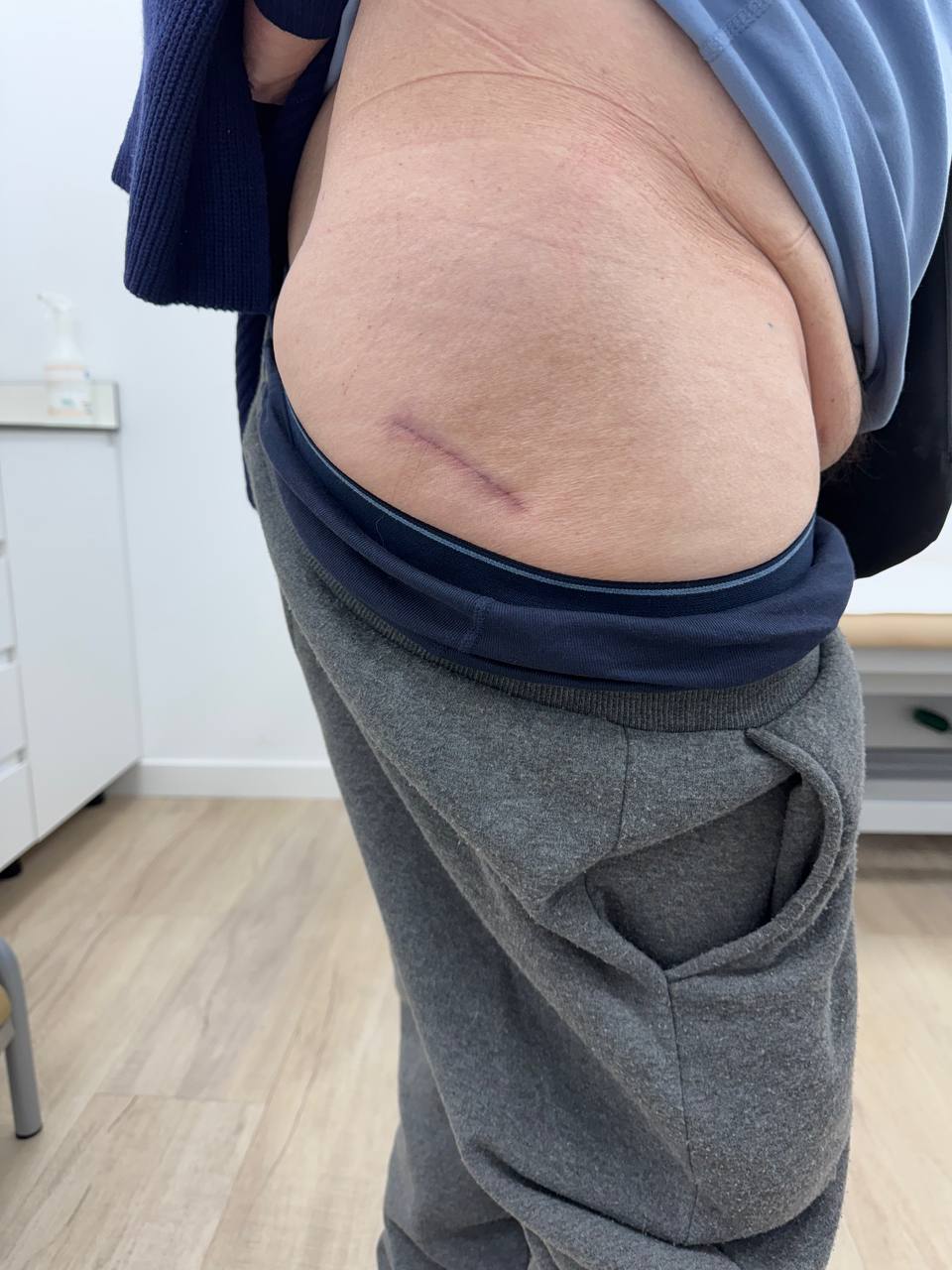
Minimally invasive hip replacement is not only about a smaller incision. It is a tissue-respecting surgical strategy that aims to reduce unnecessary soft-tissue disruption while maintaining safe exposure, accurate implant positioning and hip stability. In selected patients, it may support early mobilisation and a recovery-focused pathway. The priority remains precision, planning and patient safety.
Clinical summary
Minimally invasive hip replacement may support early recovery in selected patients because it aims to reduce unnecessary soft-tissue disruption around the hip. It is not suitable for every case and should never compromise surgical visibility, implant positioning or patient safety.
The short answer
Minimally invasive hip replacement may support early recovery in selected patients because it aims to reduce unnecessary soft-tissue disruption, while maintaining safe exposure, accurate implant positioning and patient safety.
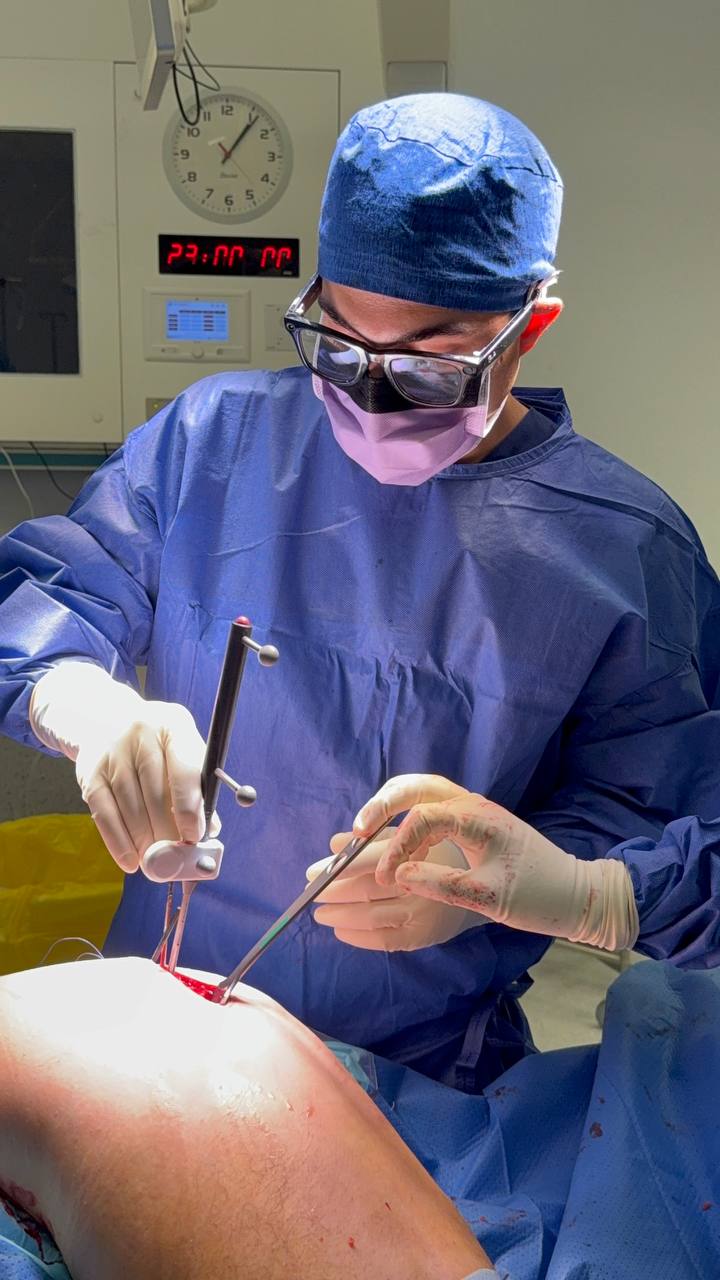
A minimally invasive approach may provide different potential advantages:
- Less surgical trauma
- Less soft-tissue disruption
- Less early postoperative pain in selected patients
- Earlier mobilisation in selected recovery pathways
- Smaller incision
- Less visible scar
- Potential reduction in blood loss in some studies
- Shorter hospital stay in selected fast-track pathways
What does minimally invasive hip replacement mean?
Minimally invasive hip replacement refers to surgical approaches that aim to access the hip joint while reducing unnecessary disruption of muscles, capsule and surrounding soft tissues.
It is not a single universal technique. The correct strategy depends on patient anatomy, diagnosis, implant requirements, previous surgery, surgical experience and the complexity of the case.
- A smaller skin incision
- Careful muscle-sparing or tissue-respecting exposure
- Reduced soft-tissue trauma where possible
- Precise preparation of the acetabulum and femur
- Accurate positioning of the hip replacement components
- A structured recovery-focused perioperative pathway
Less soft-tissue damage: the main objective
The main potential advantage of minimally invasive hip replacement is not cosmetic. It is less unnecessary soft-tissue damage.
During hip replacement, the surgeon needs access to the hip joint, acetabulum and femur. A tissue-respecting approach aims to obtain that access while limiting avoidable trauma to muscles, tendons, capsule and surrounding soft tissues.
This matters because soft tissues are part of postoperative recovery. Less soft-tissue disruption may contribute to better early comfort, earlier mobilisation, improved early functional confidence, easier rehabilitation in selected patients and less early postoperative pain in some cases.
This is why minimally invasive hip replacement is often associated with rapid recovery or fast recovery pathways. But the incision alone does not explain recovery. Diagnosis, age, general health, anaesthesia, pain control, blood loss, mobilisation, physiotherapy, motivation, surgical precision, implant positioning and postoperative instructions all matter.
Why incision size is not the whole story
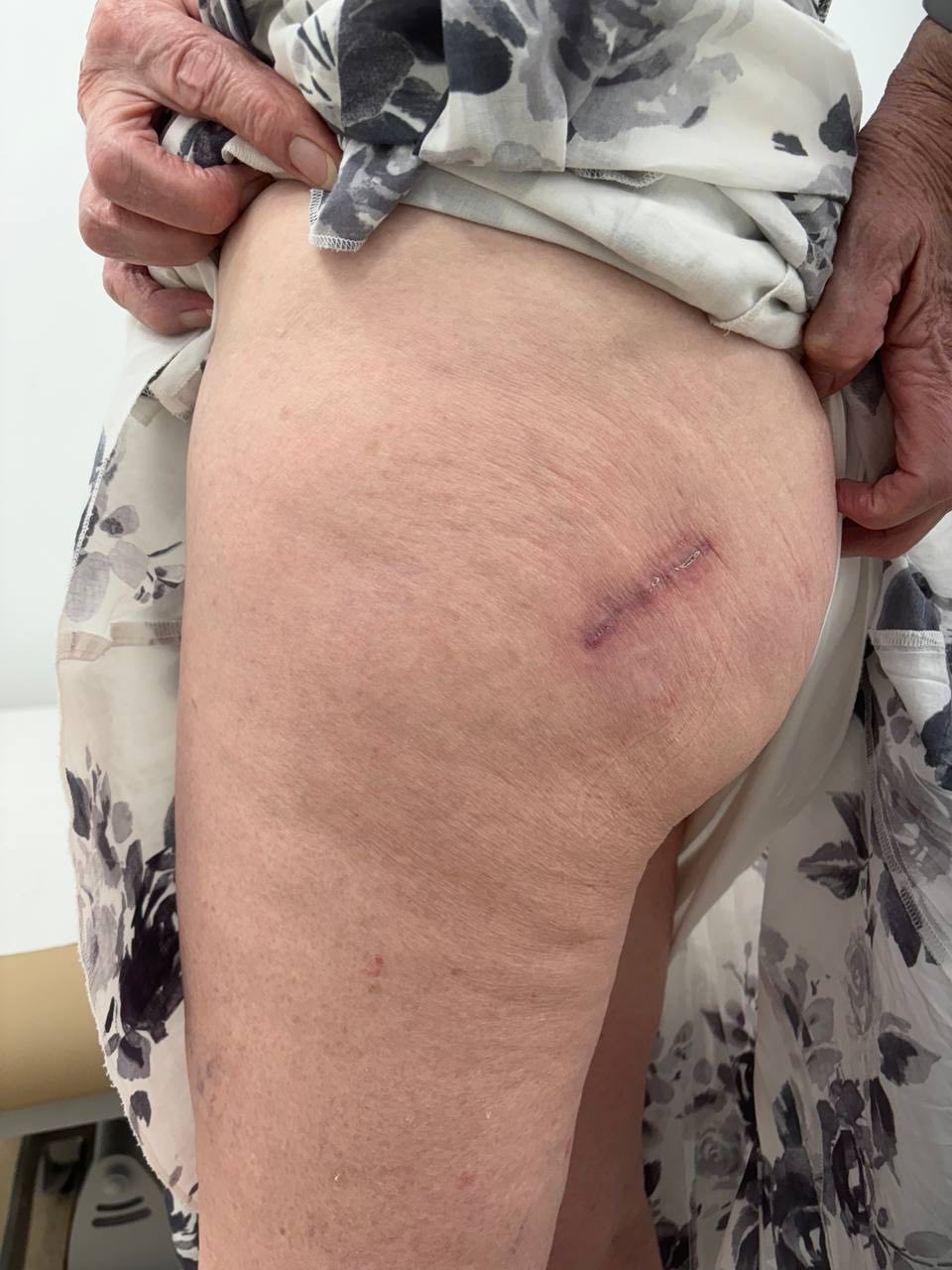
One of the most common misconceptions is that a smaller incision automatically means a better hip replacement. That is not correct. The incision is only the visible part of the operation.
A very small incision is not beneficial if it makes the operation less safe, limits visibility or compromises implant placement. Technical precision is more important than the cosmetic appearance of the scar.
A serious minimally invasive hip replacement strategy should never be reduced to ‘small incision surgery’. It should be understood as soft-tissue respect without sacrificing surgical control.
- Exposure and orientation
- Bone preparation and implant positioning
- Soft-tissue balance and hip stability
- Leg length and offset
- Reconstruction of hip biomechanics
Potential advantages of minimally invasive hip replacement
In selected patients, minimally invasive hip replacement may offer potential early advantages. These benefits are possible rather than guaranteed and depend on appropriate selection, execution and the wider perioperative pathway.
- 01
Less soft-tissue disruption
A tissue-respecting approach may reduce unnecessary trauma around the hip and support early functional recovery.
- 02
Faster early mobilisation
Combined with an appropriate pathway, minimally invasive surgery may help some patients mobilise earlier.
- 03
Less early postoperative pain
Some studies report lower early pain scores in selected patients.
- 04
Lower blood loss in some studies
Certain minimally invasive approaches have reported reduced intraoperative blood loss.
- 05
Smaller incision and less visible scarring
The visible footprint may be smaller when this can be achieved safely.
- 06
Shorter hospital stay in selected pathways
Fast-track protocols may shorten stay, but this depends on the whole pathway rather than the incision alone.
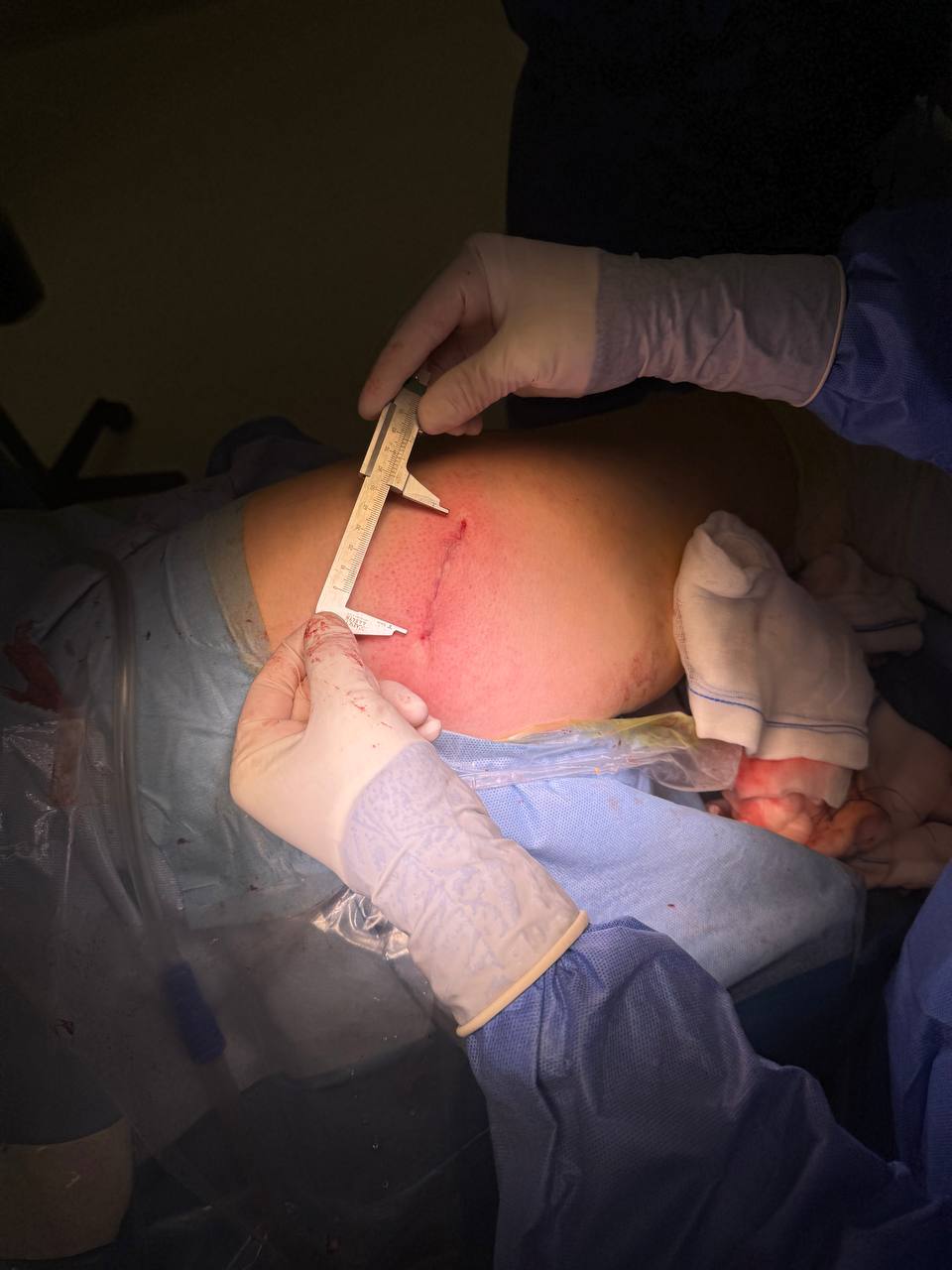
Wound healing and infection risk
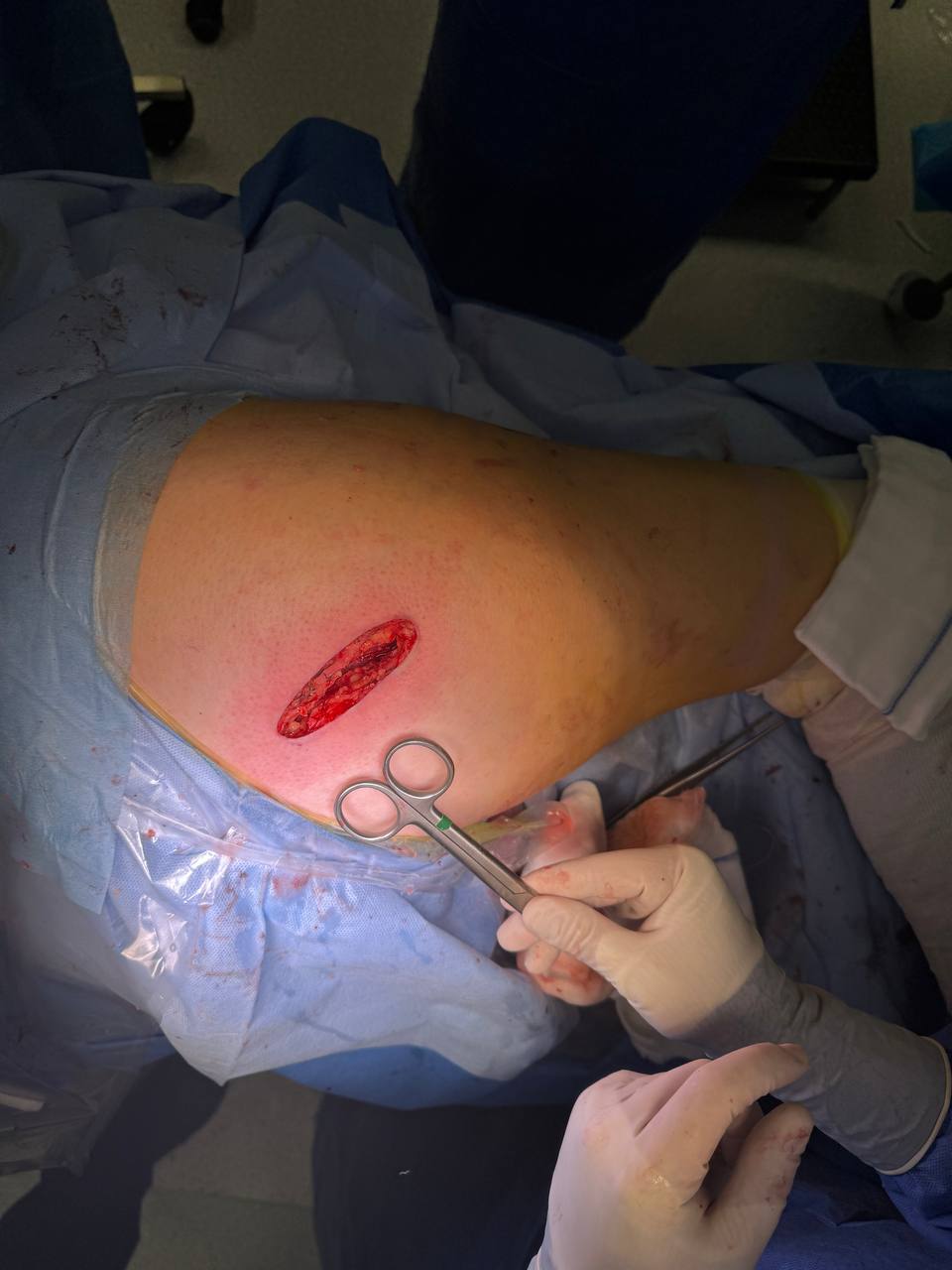
A smaller incision and reduced soft-tissue disruption may theoretically support wound healing by limiting surgical exposure and tissue trauma. However, infection after total hip replacement is multifactorial.
Risk depends on diabetes, BMI, immune status, smoking, skin condition, operative time, surgical environment, skin preparation, antibiotic prophylaxis, wound closure, dressing choice, hospital protocols and postoperative wound care.
Minimally invasive hip replacement should not be presented as a guarantee of lower infection risk. A well-executed, tissue-respecting approach may contribute to wound management as part of a broader infection-prevention strategy, but prevention depends on the entire surgical pathway.
What does the scientific evidence say?
The scientific literature supports a balanced view. Recovery after joint replacement is multifactorial and should not be attributed only to incision size or surgical approach. Pain control, early mobilisation, rehabilitation, patient selection and perioperative protocols all influence recovery.
ERAS Society recommendations emphasise a multimodal pathway and report insufficient evidence to identify one surgical technique, minimally invasive method, prosthesis choice, navigation system or robotic-assisted workflow as the single independent factor determining discharge readiness.
Systematic reviews and meta-analyses report possible short-term advantages including smaller incisions, lower early pain scores, reduced blood loss in some series and early functional benefits. Other reviews are more cautious and warn that reduced exposure can increase technical difficulty if patient selection, surgical experience and implant positioning are not carefully controlled.
The practical conclusion is clear: minimally invasive hip replacement can be valuable, but it should be used with surgical judgement. The goal is not the smallest possible incision. The goal is the safest and most precise reconstruction for the patient.
Selected scientific reading
- Lloyd JM, Wainwright T, Middleton RG. What is the role of minimally invasive surgery in a fast track hip and knee replacement pathway? Ann R Coll Surg Engl. 2012.
- Wainwright TW et al. Consensus statement for perioperative care in total hip and knee replacement surgery: ERAS Society recommendations. Acta Orthop. 2020.
- Ramadanov N et al. Minimally invasive versus conventional approaches in total hip arthroplasty: a systematic review and meta-analysis of 47 randomized controlled trials. Prosthesis. 2023.
Minimally invasive hip replacement and fast recovery
Patients often search for minimally invasive hip replacement because they want a faster recovery. That is understandable, but rapid recovery does not depend only on the incision.
A recovery-focused pathway may include correct patient selection, accurate preoperative planning, an appropriate implant strategy, tissue-respecting surgery, modern anaesthesia, multimodal pain control, early mobilisation, physiotherapy guidance, clear postoperative instructions and close follow-up.
Minimally invasive hip surgery can be part of this pathway when clinically appropriate, but it is not a guarantee of rapid recovery for every patient. Some patients may walk early or progress quickly in the first week; others need more time.
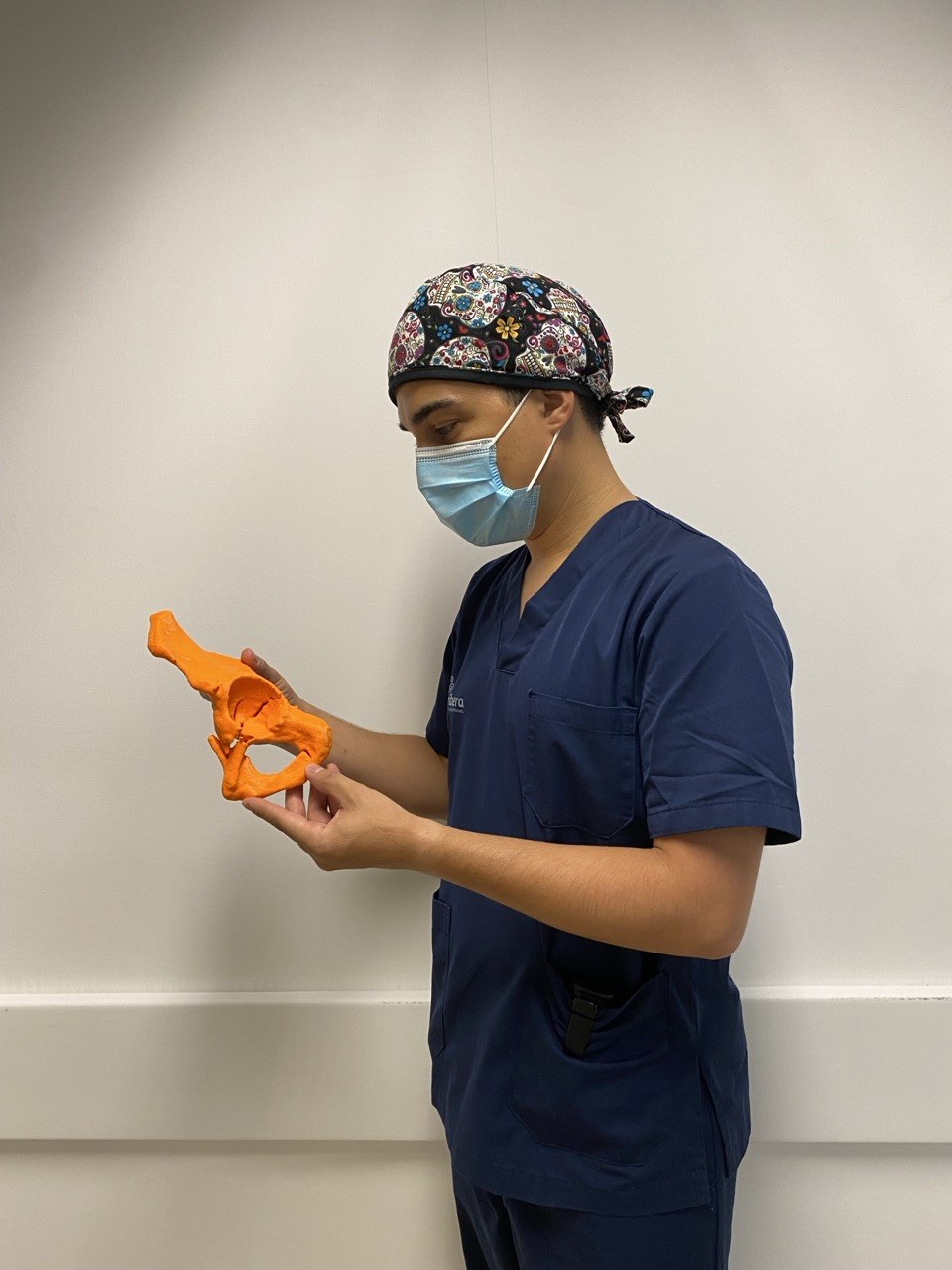
The role of 3D preoperative planning
Every hip is anatomically different. The surgeon must consider acetabular and femoral anatomy, implant size, component orientation, leg length, offset, bone quality, deformity, previous surgery and reconstruction goals.
When a minimally invasive approach is considered, planning becomes even more important. Reduced exposure should not mean reduced understanding of the anatomy.
3D preoperative planning can support patient-specific analysis before entering the operating room. It does not replace surgical judgement, but it can improve preparation, especially in complex hip replacement, deformity, revision scenarios or high-demand patients.
When minimally invasive hip replacement may not be appropriate
Minimally invasive hip replacement is not suitable for every patient. A wider or different approach may be safer in complex deformity, severe stiffness, previous hip surgery, revision replacement, poor bone quality, unusual anatomy, major reconstruction, difficult exposure, some high-risk patients or whenever implant positioning could be compromised.
The most advanced surgical decision is not always the smallest incision. Sometimes the appropriate operation is the one that gives the surgeon the safest exposure and most reliable reconstruction. The strategy should be individualised, not automatic.
Minimally invasive hip replacement in Alicante and Costa Blanca
Patients searching for minimally invasive hip replacement in Alicante, hip replacement in Costa Blanca, prótesis de cadera en Alicante, cirujano de cadera Alicante or traumatólogo de cadera Alicante are usually looking for a clear diagnosis, an experienced hip surgeon, modern implant strategy, 3D planning, safe technique, realistic recovery expectations, second opinion when needed and structured follow-up.
Through DF Trauma, David Fernández-Fernández, MD provides specialist assessment for hip osteoarthritis, total hip replacement, minimally invasive hip surgery, 3D preoperative planning, ceramic bearing surfaces, hip resurfacing and complex hip reconstruction.
The objective is not to offer the same solution to every patient. It is to define the right surgical strategy for each case.
When should patients request a second opinion?
A second opinion may be useful when a patient has been advised to undergo hip replacement but still has questions about necessity, timing, minimally invasive options, implant selection, ceramic bearing surfaces, 3D planning, hip resurfacing, recovery expectations, complex anatomy, previous surgery or revision replacement.
A second opinion is not about contradicting another surgeon. It is about clarifying the diagnosis, understanding the options and making a better-informed decision.
Learn how to request a second opinion before hip replacement.

David Fernández-Fernández, MD · Clinical Perspective
Minimally invasive when appropriate; controlled and safe always.
At DF Trauma, minimally invasive hip replacement is not understood as a cosmetic concept or as a promise of rapid recovery for every patient. It is part of a broader clinical decision-making process that includes diagnosis, imaging, patient anatomy, functional demand, implant strategy, soft-tissue management, 3D preoperative planning when appropriate and a recovery-focused pathway.
The aim is to use minimally invasive surgery when it can add value: reducing unnecessary tissue disruption, allowing a smaller incision, supporting early mobilisation in selected patients and preserving surgical control. These potential advantages only make sense when they are achieved without compromising exposure, implant positioning, hip stability or patient safety.
For selected primary hip replacement cases, a minimally invasive approach may be appropriate. In complex anatomy, severe deformity, revision surgery, obesity, bone loss or higher-risk situations, a wider or different exposure may be safer and more predictable.
The clinical principle is simple: minimally invasive when appropriate, controlled and safe always.
Frequently asked questions
Questions patients ask
Is minimally invasive hip replacement suitable for everyone?
No. It depends on diagnosis, anatomy, bone quality, previous surgery, implant strategy and surgical goals. In some cases, a different approach may be safer.
Does a smaller incision mean a better hip replacement?
Not necessarily. A smaller incision should never compromise exposure, implant positioning, stability or patient safety. Quality depends on the whole reconstruction, not only the scar.
Can minimally invasive hip replacement help recovery?
It may support early recovery in selected patients, especially within a structured recovery pathway. Recovery varies and cannot be guaranteed by the incision alone.
Can patients walk one week after total hip replacement?
Some patients may show early functional progress one week after surgery, but recovery depends on diagnosis, surgical technique, pain control, rehabilitation, general health and individual factors.
Is minimally invasive hip surgery safer?
It is not automatically safer. It can be effective in selected patients when performed with appropriate exposure, planning and surgical experience.
Does minimally invasive hip replacement reduce infection risk?
A smaller incision and tissue-respecting technique may support wound management, but infection prevention is multifactorial and depends on patient factors, surgical protocols and postoperative care.
Can minimally invasive hip replacement be combined with 3D planning?
Yes. 3D planning can support analysis of anatomy, implant sizing, component positioning, leg length, offset and reconstruction requirements before surgery.
Is robotic-assisted surgery the same as minimally invasive surgery?
No. Robotic-assisted workflows are planning or execution tools. Minimally invasive surgery refers mainly to the surgical approach and soft-tissue strategy.
Where can I request assessment in Alicante or Costa Blanca?
Patients can request specialist hip assessment through DF Trauma with David Fernández-Fernández, MD, including evaluation for total hip replacement, minimally invasive surgery, 3D planning and second opinion.
Specialist assessment
Request a specialist hip assessment
Explore hip replacement in Alicante and Costa Blanca, learn about 3D preoperative planning, request a second opinion before hip replacement, review the international hip surgery assessment in Spain, or contact DF Trauma.
Medical note
This article is for general educational purposes and does not replace individual medical assessment. Surgical indication, implant selection, approach and recovery planning must be evaluated case by case by a qualified medical specialist.
Bibliography
Bibliography and selected scientific reading
- 1Lloyd JM, Wainwright T, Middleton RG. What is the role of minimally invasive surgery in a fast track hip and knee replacement pathway? Ann R Coll Surg Engl. 2012.
- 2Wainwright TW et al. Consensus statement for perioperative care in total hip and knee replacement surgery: ERAS Society recommendations. Acta Orthop. 2020.
- 3Ramadanov N et al. Minimally invasive versus conventional approaches in total hip arthroplasty: a systematic review and meta-analysis of 47 randomized controlled trials. Prosthesis. 2023.
- 4Smith TO, Blake V, Hing CB. Minimally invasive versus conventional exposure for total hip arthroplasty: a systematic review and meta-analysis. Int Orthop. 2011.
- 5Kehlet H. Fast-track hip and knee arthroplasty. Lancet. 2013.
- 6Chua MJ et al. Early mobilisation after total hip or knee arthroplasty: a multicentre prospective observational study. PLoS One. 2017.
- 7Migliorini F et al. Implant positioning among the surgical approaches for total hip arthroplasty: a Bayesian network meta-analysis. Arch Orthop Trauma Surg. 2020.
- 8Patients' risk factors for periprosthetic joint infection in primary total hip arthroplasty: a meta-analysis of 40 studies. BMC Musculoskelet Disord. 2021.
- 9Viceconti M et al. CT-based surgical planning software improves the accuracy of total hip replacement preoperative planning. Med Eng Phys. 2003.
- 10Comparisons of preoperative three-dimensional planning and surgical reconstruction in primary cementless total hip arthroplasty. J Arthroplasty. 2014.
- 11Accuracy of the preoperative planning for cementless total hip arthroplasty: a randomised comparison between 3D computerised planning and conventional templating. Orthop Traumatol Surg Res. 2012.
- 12Comparison of the accuracy of 2D and 3D templating methods for planning primary total hip replacement: a systematic review and meta-analysis. EFORT Open Rev. 2022.
Continue reading
Related DF Trauma Journal articles
More DF Trauma Journal articles will be added progressively on implant strategy, 3D preoperative planning, hip resurfacing, recovery and second opinion before hip replacement.
Private hip assessment