DF Trauma

HIP SURGERY · ALICANTE · COSTA BLANCA

Dr. David Fernández-Fernández

Hip SurgeryHip ReplacementAlicante · Costa Blanca · Spain

Specialist hip surgery assessment for hip osteoarthritis, total hip replacement, minimally invasive hip surgery, robotic-assisted workflows, 3D preoperative planning, hip resurfacing and complex hip reconstruction.

Hip surgery and technology-supported hip replacement planning with Dr. David Fernández-Fernández

Private hip surgery assessment

A clear diagnosis before a surgical decision.

Hip pain can affect walking, sleep, work and independence. Assessment combines clinical history, examination and imaging to clarify whether non-surgical care, hip replacement, hip resurfacing, revision surgery or complex reconstruction should be considered.

DF Trauma provides private hip surgery assessment in Alicante and the Costa Blanca for local and international patients. En español: cirugía de cadera en Alicante, prótesis de cadera en Alicante, cirujano de cadera en Alicante y especialista en prótesis de cadera Costa Blanca.

Minimally invasive hip replacement · Alicante · Costa Blanca

Minimally Invasive Hip Surgery

Smaller incisions, soft-tissue respect and recovery-focused surgical planning when clinically appropriate.

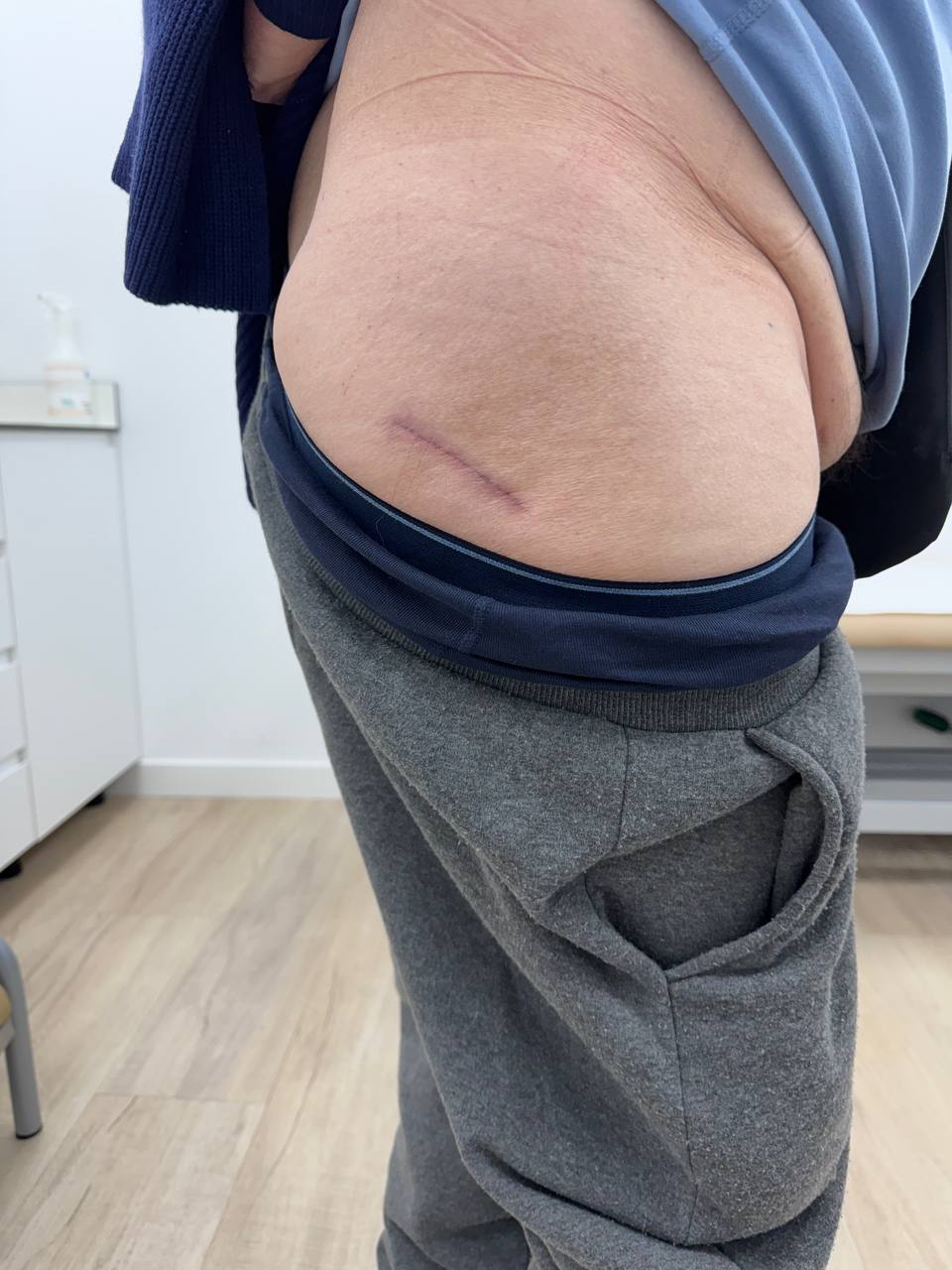
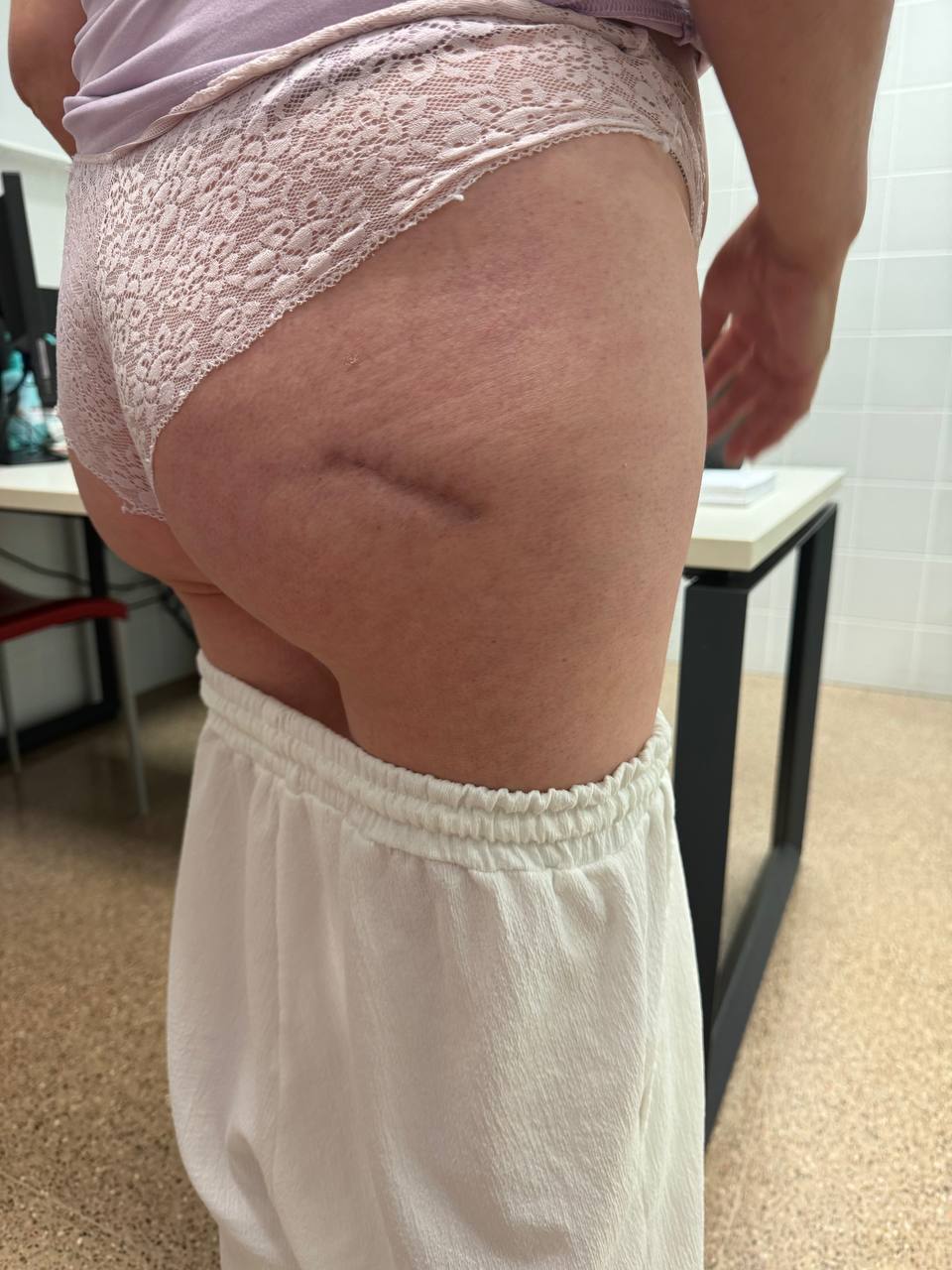
Minimally invasive hip surgery aims to reduce unnecessary soft-tissue disruption while maintaining surgical precision, implant positioning and safety. The approach is selected according to diagnosis, anatomy, implant requirements and patient-specific factors.

Minimally invasive hip replacement is considered in selected patients when clinically appropriate. It is not the correct approach for every hip case.

Minimally invasive hip incision
Minimally invasive hip replacement approach
Hip replacement surgical approach
Soft-tissue respectful minimally invasive hip exposure
Soft-tissue respectful exposure
Recovery-focused minimally invasive hip surgery incision
Recovery-focused hip surgery pathway

Recovery-focused hip surgery

Fast Recovery and Rapid Recovery After Total Hip Replacement

Recovery after total hip replacement depends on diagnosis, surgical indication, approach, implant strategy, anaesthetic pathway, pain control, early mobilisation, patient factors and rehabilitation. DF Trauma uses a recovery-focused pathway designed to support safe mobilisation and functional progress when clinically appropriate.

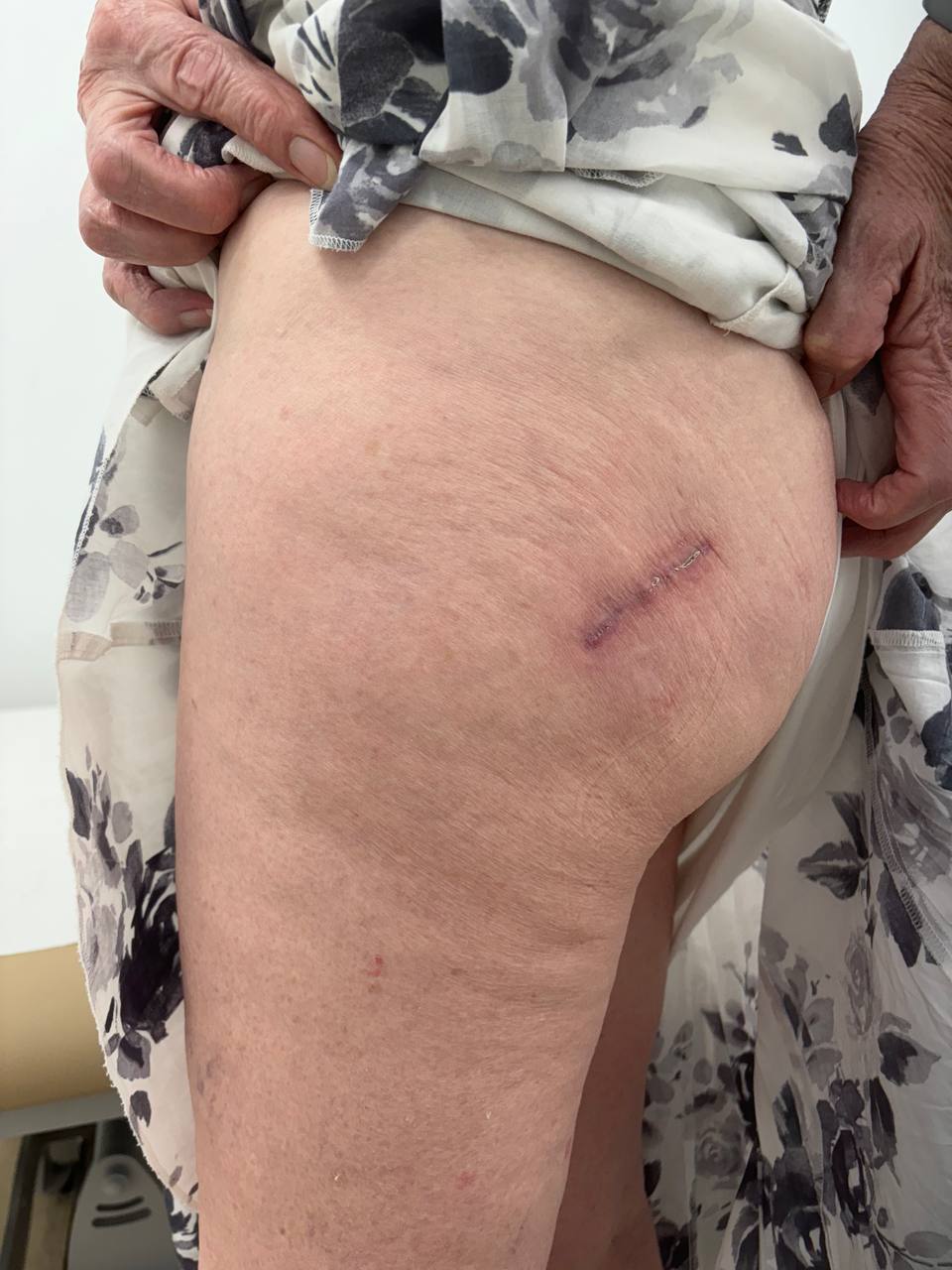
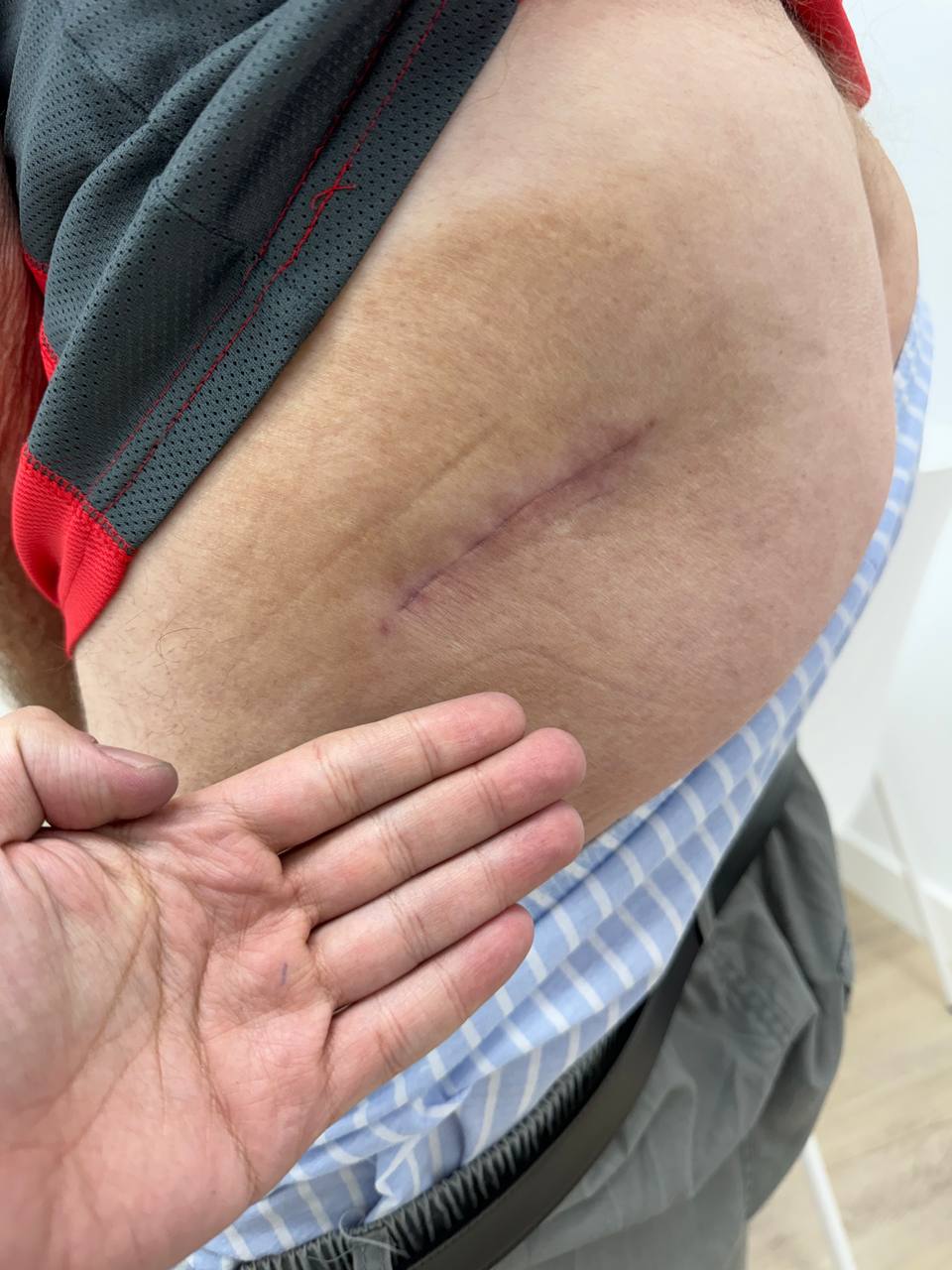
One Week After Total Hip Replacement

Patient example one week after total hip replacement. Individual recovery varies depending on diagnosis, surgery, patient factors and clinical pathway.

Patient-specific digital planning

3D Preoperative Planning in Hip Replacement

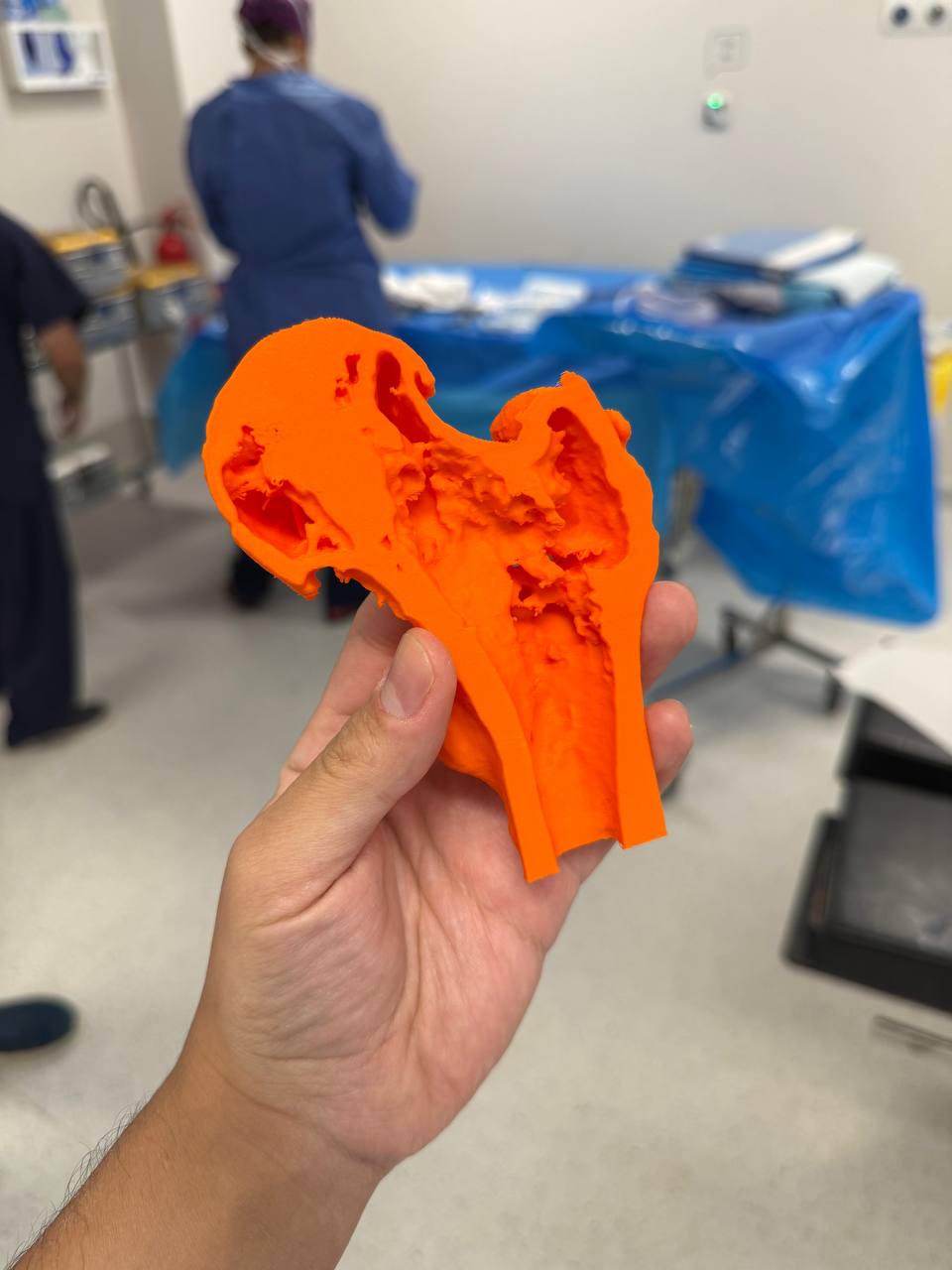
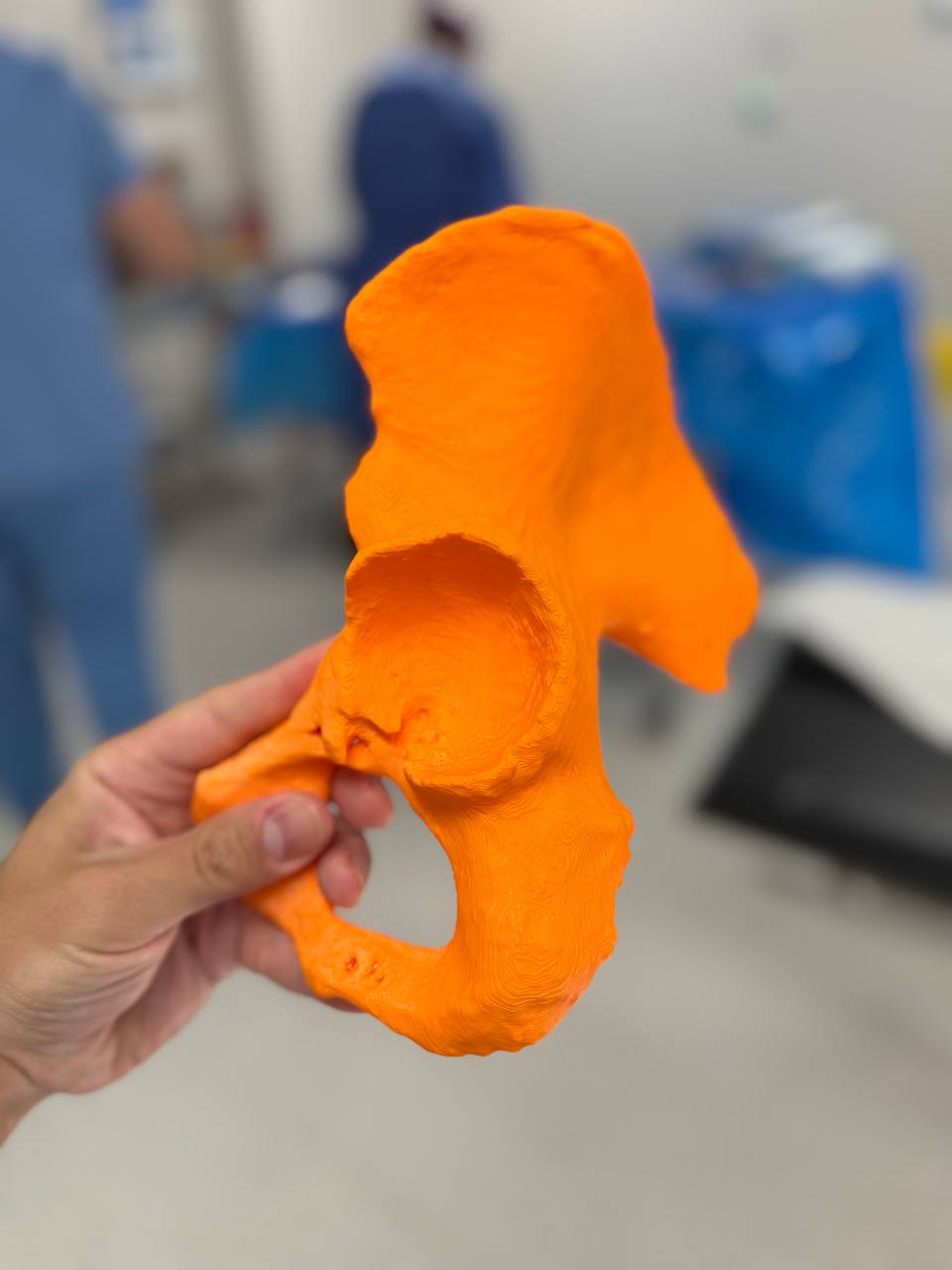
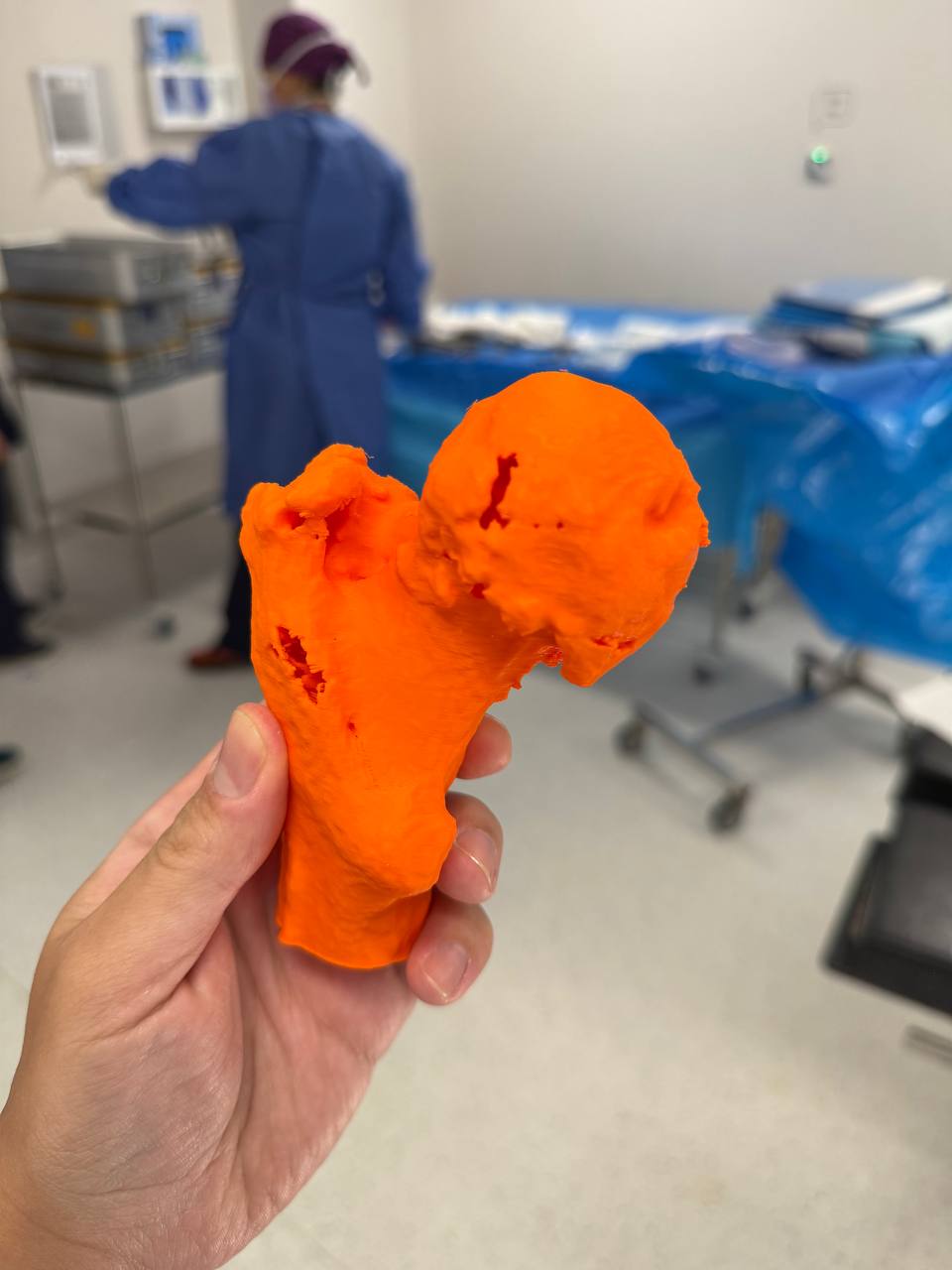
3D preoperative planning can support the analysis of patient-specific anatomy, implant sizing, component positioning, leg length, offset, bone morphology and complex reconstruction requirements before surgery.

CT-based or imaging-based planning may help define implant strategy in complex anatomy, revision or deformity cases before entering the operating room. 3D planning supports surgical decision-making and preoperative preparation when clinically indicated.

Explore DF Trauma professional activity →
3D preoperative planning model for hip replacement
Patient-specific 3D pelvis model for hip implant planning
3D femoral model used in complex hip reconstruction planning
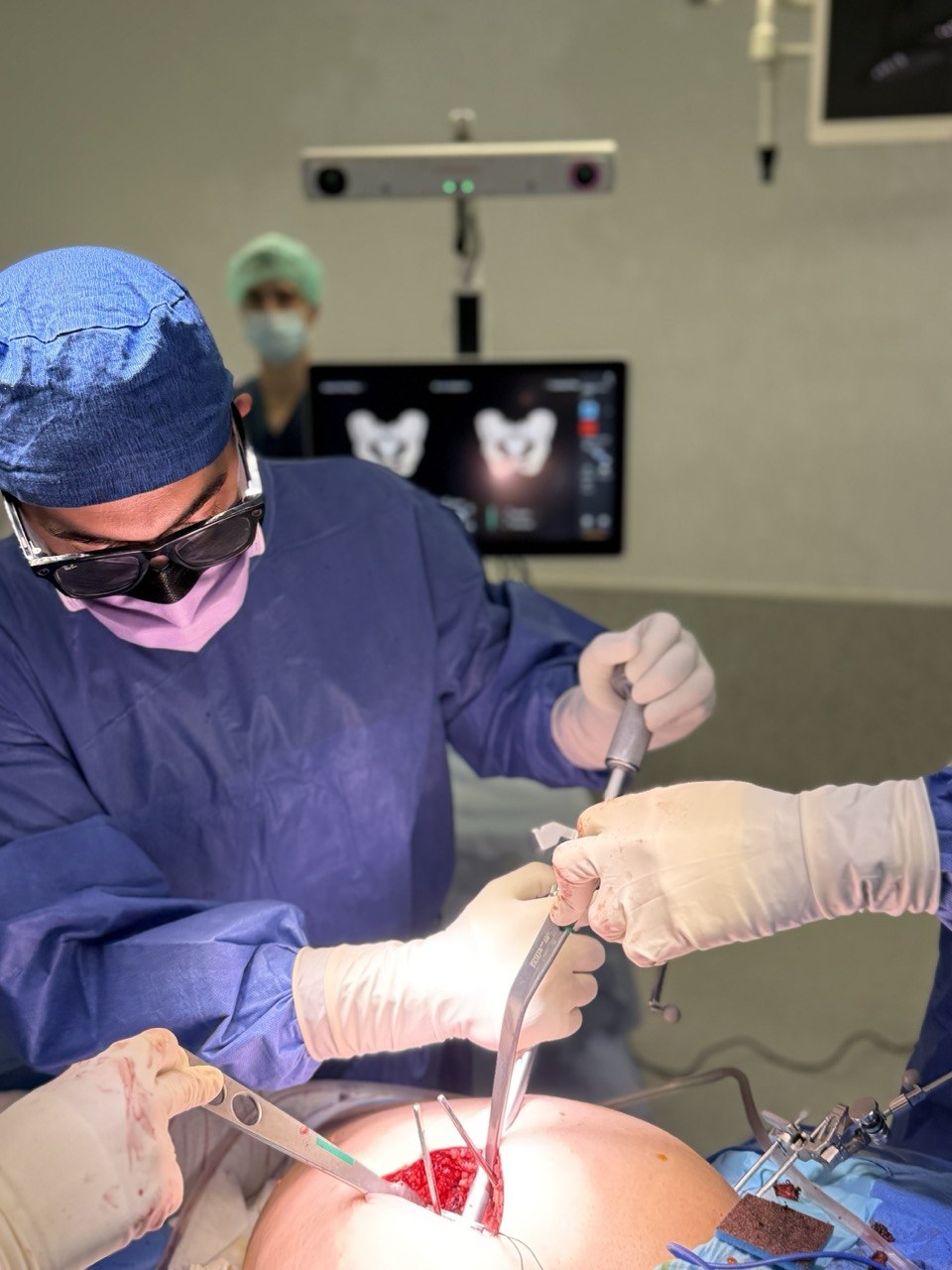
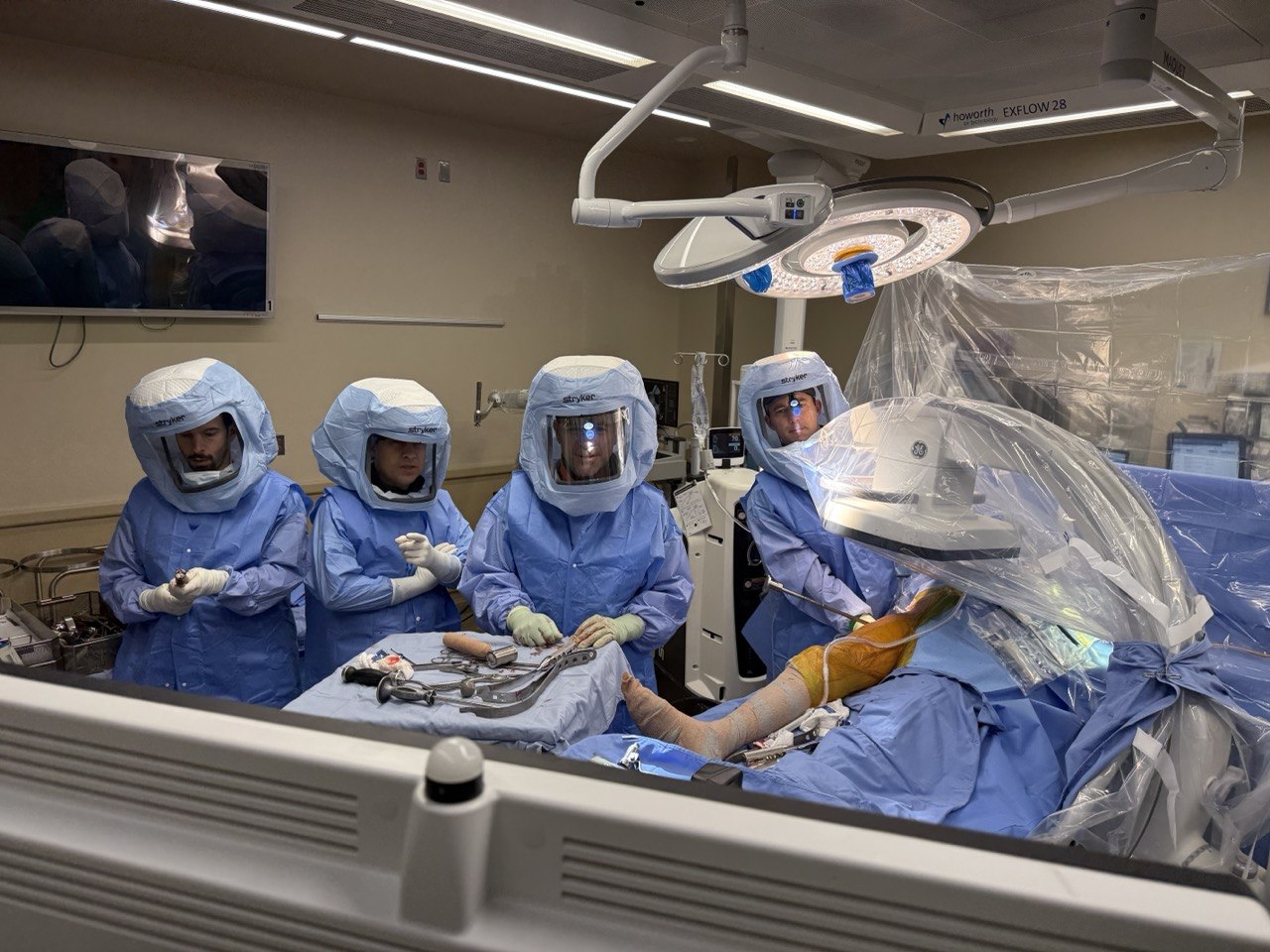
Robotic-assisted hip replacement workflow with intraoperative technology

Robotic hip surgery · Alicante

Robotic Surgery and Technology-Supported Hip Replacement

Robotic-assisted workflows, navigation, digital planning and technology-supported systems may contribute to surgical preparation, component positioning and reproducibility in selected hip replacement cases. Their use depends on the hospital setting, implant system, indication and patient-specific surgical goals.

Technology-supported planning may include robotic-assisted or navigation-supported workflows when clinically available and appropriate. It is not used for every hip replacement.

Implant strategy

Ceramic Hip Implants and Bearing Surfaces

Modern hip replacement planning includes careful selection of implant design, fixation strategy and bearing surface. Ceramic bearing surfaces are considered in DF Trauma hip replacement planning when clinically appropriate, depending on patient profile, anatomy, diagnosis, implant system and surgical indication.

Options may include a ceramic femoral head with polyethylene, or ceramic-on-ceramic bearings in selected patients. No single implant is appropriate for everyone.

Advanced reconstruction

Hip Resurfacing and Advanced Hip Reconstruction

Hip resurfacing is a specialised arthroplasty option for selected patients. It requires careful assessment of anatomy, bone quality, age, activity profile, diagnosis and implant strategy. DF Trauma integrates hip resurfacing into a broader advanced hip reconstruction pathway when clinically appropriate.

Ceramic-on-ceramic resurfacing may be considered where supported by the indication, implant system and clinical setting.

Read the hip resurfacing media report →
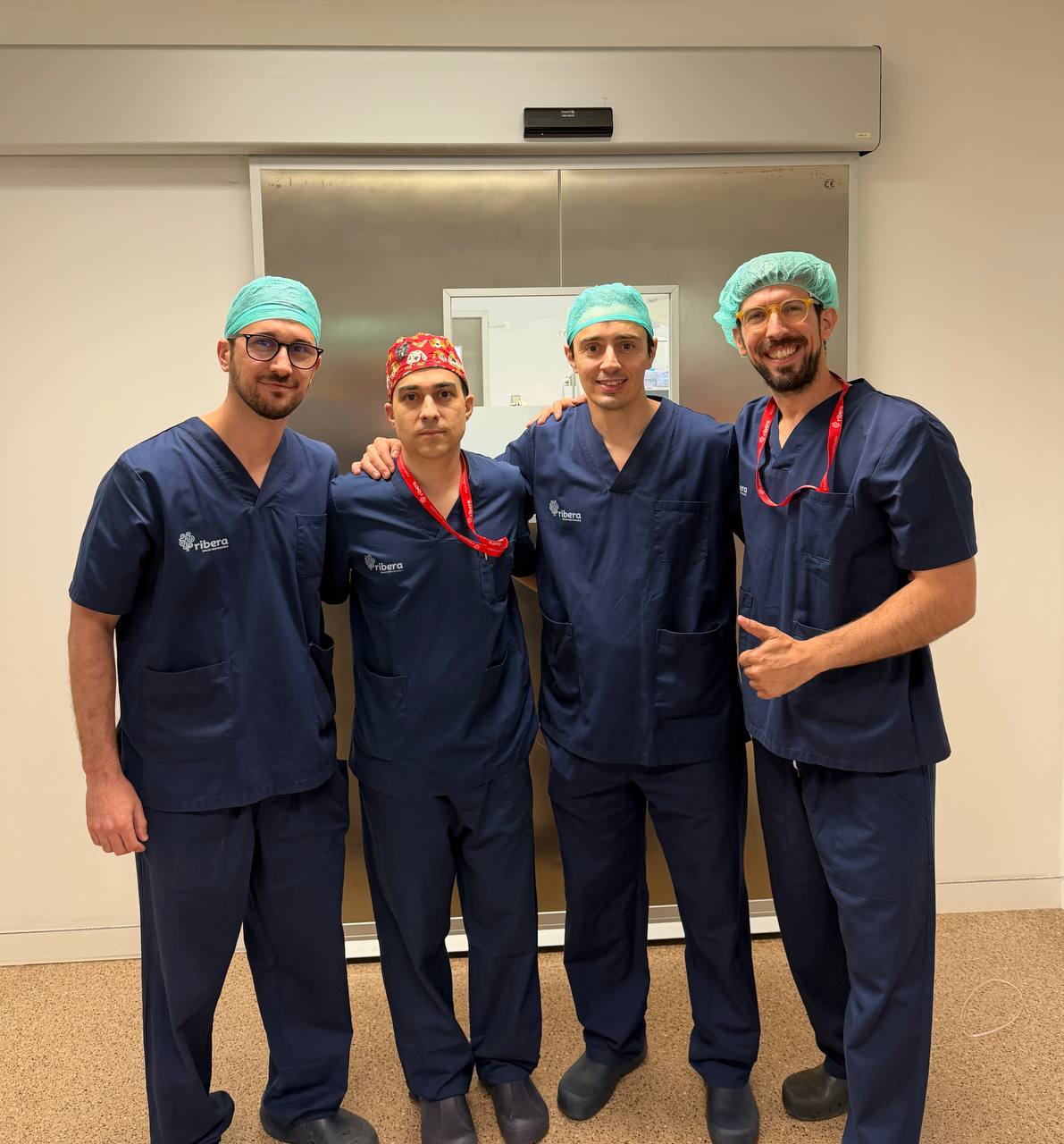
Dr. David Fernández-Fernández with the hip reconstruction surgical team

Dr. David Fernández-Fernández

Hip Surgery and Joint Reconstruction

Dr. David Fernández-Fernández is an orthopaedic surgeon with a strong focus on hip replacement, joint reconstruction, trauma surgery and complex orthopaedic decision-making. Through DF Trauma, patients in Alicante, Costa Blanca and Spain can request specialist assessment for hip osteoarthritis, hip replacement, minimally invasive hip surgery, hip resurfacing, revision surgery and complex hip reconstruction.

David Fernández hip surgery assessment is based on diagnosis, imaging, patient priorities and an individual implant or reconstruction strategy.

Specialist hip assessment pathways

Complex Hip Cases and Revision Surgery

Previous surgery, deformity, bone loss, implant failure, trauma or unusual anatomy may require detailed imaging, advanced implant strategy and a tailored complex hip reconstruction plan.

Joint reconstruction experience →

International Hip Surgery Assessment in Alicante and Costa Blanca

International patients can request a private hip assessment in Spain to review diagnosis, imaging, treatment options, travel timing, hospital pathway and appropriate follow-up planning.

International hip surgery assessment in Spain →

Second Opinion Before Hip Replacement

A specialist second opinion can review the diagnosis, imaging, non-surgical options, indication for total hip replacement and the proposed implant or reconstruction strategy.

Request a second opinion before hip replacement →

Recovery-focused pathway

Recovery planning starts before surgery.

Timelines vary. The pathway is adapted to diagnosis, baseline mobility, home circumstances and surgical complexity.

01

Assessment & indication

Diagnosis, imaging, goals and alternatives are reviewed before recommending surgery.

02

Pre-operative planning

Implant strategy, anaesthetic preparation and practical recovery needs are considered.

03

Early mobilisation

Standing and walking are introduced when clinically appropriate and safely tolerated.

04

Follow-up & progression

Wound care, mobility, rehabilitation and return to daily activities are reviewed over time.

Hip surgery FAQ

Questions before hip surgery or replacement

Evidence-conscious answers for private and international patients considering hip surgery in Alicante, Costa Blanca, Spain.

Who can request a hip surgery assessment in Alicante?

Adults with hip pain, osteoarthritis, reduced mobility, a previous diagnosis or a recommendation for hip replacement can request a private assessment with Dr. David Fernández-Fernández at DF Trauma. Patients may live in Alicante, the Costa Blanca, elsewhere in Spain or abroad.

When should hip replacement be considered?

Hip replacement may be considered when symptoms and functional limitation remain important despite appropriate non-surgical care. Diagnosis, examination, imaging, patient goals and alternatives are reviewed before recommending surgery.

What is minimally invasive hip surgery?

It describes a tissue-conscious surgical approach intended to limit unnecessary soft-tissue disruption while maintaining the exposure, implant positioning and safety required for hip replacement.

Is minimally invasive hip replacement always possible?

No. It is considered when clinically appropriate. Anatomy, diagnosis, previous surgery, implant requirements and case complexity determine the safest approach for each patient.

What is 3D preoperative planning in hip replacement?

Imaging-based or CT-based 3D planning can help analyse anatomy, implant size, component positioning, leg length, offset, bone morphology and reconstruction requirements before entering the operating room.

Are ceramic implants used in hip replacement?

Ceramic femoral heads and ceramic bearing surfaces may be considered according to age, activity, anatomy, diagnosis and implant system. Options can include ceramic-on-polyethylene and, in selected indications, ceramic-on-ceramic bearings.

What is hip resurfacing?

Hip resurfacing is a specialised arthroplasty option for selected patients. Bone quality, anatomy, age, activity profile, diagnosis and implant strategy require careful specialist assessment.

Can international patients request hip surgery assessment in Spain?

Yes. International patients can request an initial DF Trauma assessment and discuss diagnosis, imaging, travel timing, hospital pathway and follow-up planning in Alicante and the Costa Blanca.

Can I request a second opinion before hip replacement?

Yes. A structured second opinion can review the diagnosis, imaging, non-surgical options, indication for surgery and proposed implant or reconstruction strategy before a decision is made.

How fast is recovery after hip replacement?

Recovery is individual. Early mobilisation may be introduced when clinically appropriate, but progress depends on diagnosis, surgery, baseline mobility, medical factors, home circumstances and rehabilitation.

Is robotic-assisted hip surgery always used?

No. Navigation, robotic assistance or other technology-supported workflows may be used when available and appropriate for the hospital, indication, implant system and patient-specific goals.

What makes a hip case complex?

Previous surgery, deformity, bone loss, abnormal anatomy, implant failure, infection history, trauma or revision requirements can increase complexity and may require advanced planning and reconstruction.


Private hip assessment

Discuss your hip with a specialist.

Request a private assessment for hip surgery, hip osteoarthritis or hip replacement in Alicante, Costa Blanca, Spain. Your enquiry will be reviewed to determine the most appropriate next step.

Request a Private Hip Assessment

This channel is for non-urgent enquiries. For urgent symptoms or emergencies, contact emergency services or your treating medical centre.