

DF Trauma Journal
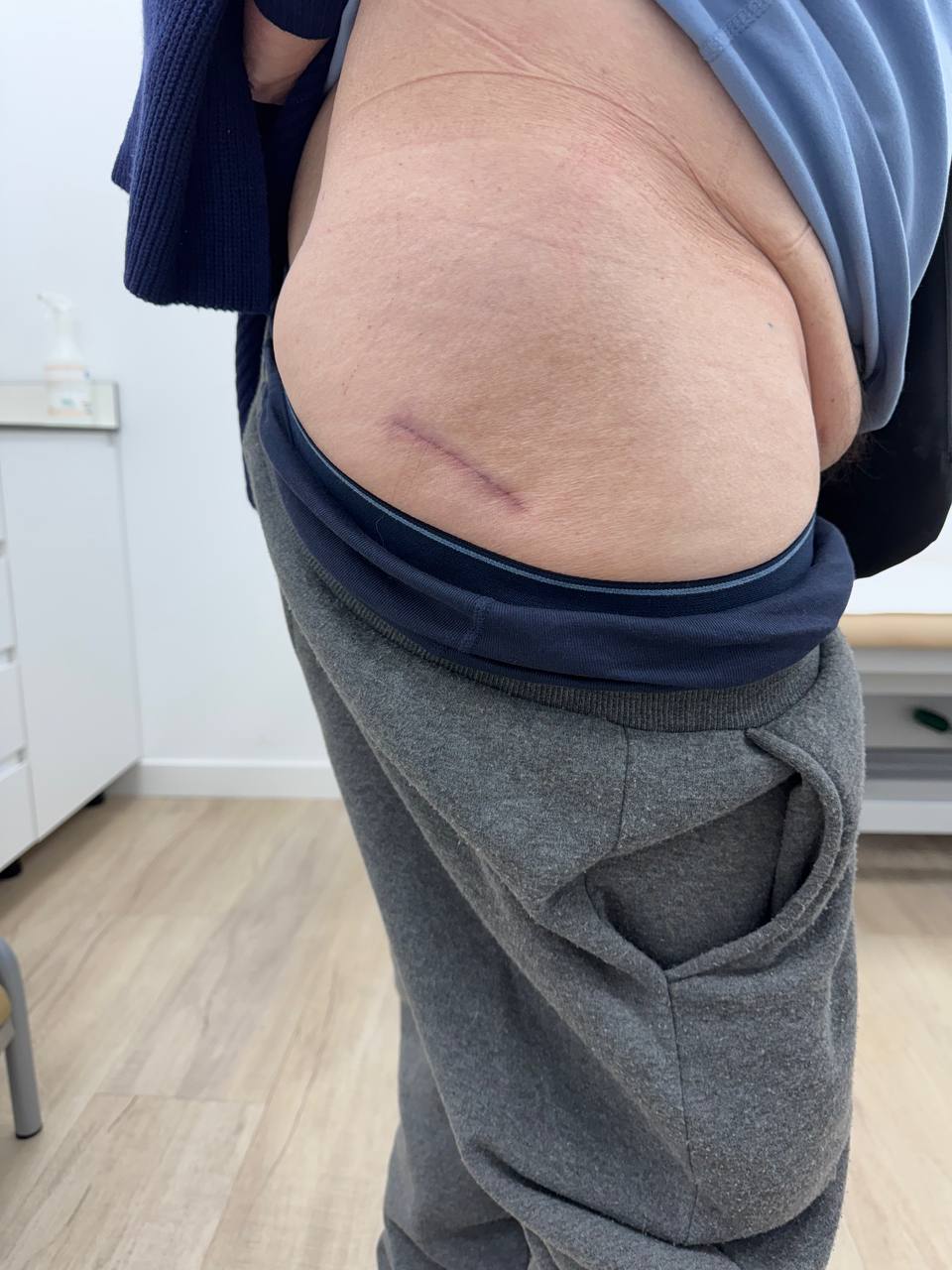
One week after total hip replacement: what early recovery can look like
The first week after total hip replacement is an early checkpoint, not a final result. Some patients make rapid functional progress while others need more time and support. Both can fall within an appropriate recovery pathway.
Recovery
DF Trauma Journal · Editorial clinical publication
David Fernández-Fernández, MD · Alicante, Spain

Clinical summary
Some patients may show early functional progress one week after total hip replacement, but recovery is individual and depends on diagnosis, surgery, pain control, mobilisation, rehabilitation and patient factors.
What can happen during the first week after hip replacement
During the first days, the priorities usually include pain and nausea control, safe transfers, short walks and confidence with the mobility aid recommended by the team. Patients also learn wound care, medication and movement guidance.
By one week, some people can move around the home with increasing independence. Swelling, bruising, fatigue and disturbed sleep can still be present. The pace should be judged against the individual plan rather than another patient’s video or story.
Why recovery varies between patients
Preoperative strength, age, diagnosis, general health, surgical complexity and home support all influence early progress. A straightforward primary replacement is different from surgery after deformity, fracture or previous procedures.
Pain response, confidence and rehabilitation access also vary. Slower progress does not automatically indicate a problem, while fast progress does not remove the need to respect precautions and follow-up.
Early mobilisation after total hip replacement
Mobilisation often begins soon after surgery when the medical and anaesthetic situation allows. Walking, transfers and simple exercises are supervised initially so that technique and safety can be assessed.
The goal is regular, controlled activity—not testing limits. The appropriate walking aid and load-bearing instructions depend on the procedure and must come from the treating team.
Fast recovery and rapid recovery pathways
Enhanced recovery pathways coordinate education, anaesthesia, pain management, early nutrition, mobilisation and discharge planning. Their purpose is to reduce avoidable delays while maintaining safety.
The term fast recovery should not be interpreted as a promise that every patient will reach the same milestone on the same day. A good pathway remains flexible when individual needs require a slower progression.
What patients should not assume from one recovery example
A single recovery video shows one person at one moment. It cannot predict another patient’s pain, walking ability, discharge date or return to work.
Online examples are most useful when they illustrate a pathway rather than advertise a guaranteed outcome. Decisions should be based on personal assessment and direct guidance from the surgical team.
When to contact the medical team
Patients should follow the discharge instructions provided by their treating centre. Urgent review may be required for chest pain, breathing difficulty, sudden severe symptoms or other emergency concerns; local emergency services should be used when appropriate.
The team should also be contacted for concerning wound changes, fever, unexpected deterioration, new marked swelling, uncontrolled pain or uncertainty about medication. Individual instructions take priority over general information online.
Recovery-focused hip surgery at DF Trauma
DF Trauma discusses recovery before surgery, including preparation, likely mobility needs and follow-up. The surgical technique is considered together with anaesthesia, pain control and rehabilitation rather than as an isolated promise of speed.
For private and international patients, practical planning also covers travel, home support and access to review. The objective is a coordinated pathway adapted to the patient and procedure.
DF Trauma clinical perspective
The plan must fit the patient.
David Fernández-Fernández, MD, approaches hip reconstruction through diagnosis, patient-specific anatomy, surgical indication and recovery goals. Technology, implant choice and surgical approach are considered only where they add value to that complete clinical pathway.
The appropriate recommendation may be surgery, further assessment or continued non-operative care. No article can determine that choice without an individual medical evaluation.
Frequently asked questions
Questions patients ask
Can patients walk one week after hip replacement?
Many patients can walk with an appropriate aid, but distance, confidence and support needs vary. The treating team’s instructions should guide progression.
Is fast recovery possible after total hip replacement?
Early progress is possible for selected patients within a coordinated pathway, but no specific recovery speed can be promised.
Why do some patients recover faster than others?
Diagnosis, strength, health, surgical complexity, pain response, rehabilitation and social support all contribute.
What warning signs require medical attention?
Follow the discharge guidance. Emergency symptoms such as chest pain or breathing difficulty need urgent care; concerning wound changes, fever or sudden deterioration should also be reported promptly.
How is recovery planned after hip replacement?
Planning typically combines preoperative education, pain management, early mobilisation, physiotherapy, discharge preparation and follow-up adapted to the patient.
Continue reading
Related DF Trauma Journal articles
Hip Surgery
Minimally invasive hip replacement: what patients should know before surgery
Read full article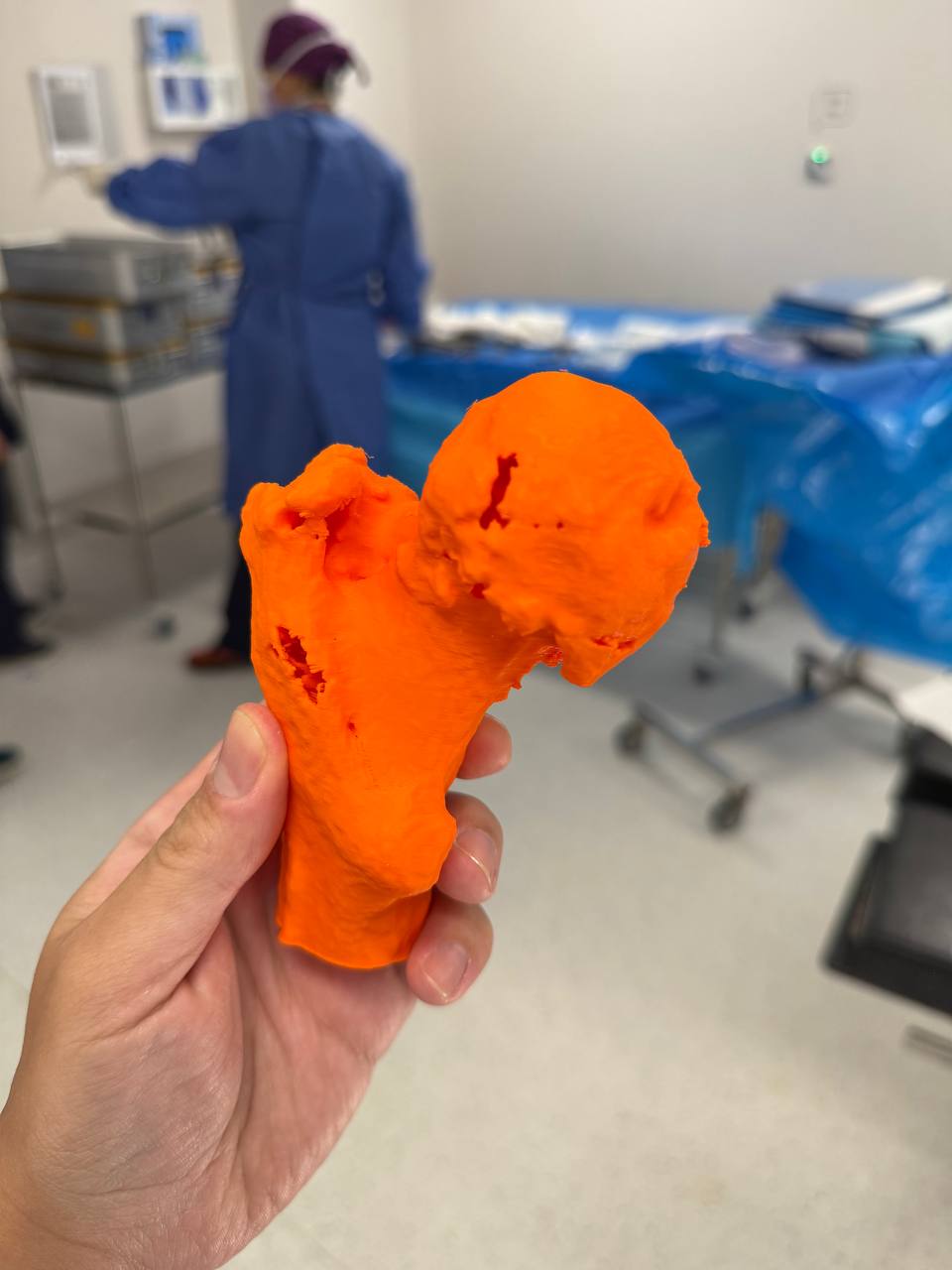
Hip Surgery
What is the best implant for hip replacement?
Read full article
Second Opinion
When should you ask for a second opinion before hip replacement?
Read full articlePrivate hip assessment
Request a specialist hip assessment
This article is for general educational purposes and does not replace individual medical assessment. Surgical indication, implant selection, approach and recovery planning must be evaluated case by case by a qualified medical specialist.