

DF Trauma Journal
When should you ask for a second opinion before hip replacement?
Requesting a second opinion is a normal part of making an important healthcare decision. It can provide context when the diagnosis, timing or proposed operation remains unclear, without turning the consultation into a contest between clinicians.
Second Opinion
DF Trauma Journal · Editorial clinical publication
David Fernández-Fernández, MD · Alicante, Spain

Clinical summary
A second opinion before hip replacement is not about contradicting another doctor. It can help patients understand the diagnosis, timing, surgical alternatives, implant strategy, risks and expected recovery pathway.
Why patients request a second opinion before hip replacement
Patients may want confirmation that symptoms match the imaging, that non-operative options have been considered and that the timing of surgery is reasonable. Others want to understand different approaches or implant strategies.
A useful second opinion organises the decision. It may support the original recommendation, suggest further assessment or identify an alternative, but it does not need to disagree in order to be valuable.
Diagnosis and timing
Hip pain can come from the joint, spine, tendons or other structures. Confirming the main pain source is essential before replacement is considered.
Timing depends on symptoms, function, imaging, health and response to appropriate non-operative treatment. Severe radiographic arthritis alone does not define the right moment for every patient.
Implant strategy and surgical approach
A second opinion can explain cemented or cementless fixation, bearing surfaces, component sizing and the reasons for a proposed approach. It can also place incision length within the wider goals of safe exposure and accurate reconstruction.
The aim is informed consent, not a promise that one implant brand or approach will produce a superior result.
Minimally invasive, robotic-assisted and 3D-planned surgery
Technology and tissue-sparing approaches can be useful when matched to the case. A second opinion can clarify what each tool contributes and whether it changes the indication or practical plan.
These methods support parts of the pathway; none replaces diagnosis, surgeon judgement or rehabilitation, and none guarantees a specific outcome.
Complex cases and revision scenarios
Previous hip surgery, dysplasia, fracture, infection history, metalwork or an existing implant can make assessment more complex. Additional imaging, records and staged investigations may be needed.
In revision scenarios, the second opinion should distinguish what is known from what remains uncertain and explain possible contingencies before a definitive recommendation.
What information is useful for a second opinion
A clear symptom history, previous treatments, current medication and available imaging reports help structure the first review. The secure clinical pathway can then specify whether actual images, examination or additional tests are required.
Sensitive medical files should not be sent through an unsecured public form. DF Trauma begins with a concise enquiry and provides the appropriate next step.
How DF Trauma structures a second opinion
DF Trauma first clarifies the clinical question: diagnosis, indication, approach, implant plan, complex reconstruction or recovery. The available information is reviewed and the limits of a remote opinion are made clear.
When an in-person assessment is needed, private and international pathways in Alicante and Costa Blanca can coordinate consultation, examination and planning. The outcome may confirm surgery, modify the plan or support continued non-operative care.
DF Trauma clinical perspective
The plan must fit the patient.
David Fernández-Fernández, MD, approaches hip reconstruction through diagnosis, patient-specific anatomy, surgical indication and recovery goals. Technology, implant choice and surgical approach are considered only where they add value to that complete clinical pathway.
The appropriate recommendation may be surgery, further assessment or continued non-operative care. No article can determine that choice without an individual medical evaluation.
Frequently asked questions
Questions patients ask
Is it normal to request a second opinion before hip replacement?
Yes. It is a reasonable way to understand an important decision, especially when the diagnosis, timing or available options remain unclear.
What documents are useful for a second opinion?
A symptom summary, treatment history and existing reports are useful initially. The clinical team can then advise how to share imaging or other records securely.
Can a second opinion be done online?
An initial remote review may be possible, but some questions require examination, direct image review or an in-person consultation.
Can international patients request a second opinion?
Yes. DF Trauma has a pathway for international patients, with the limits and practical steps explained before any surgical planning.
Does a second opinion always mean changing treatment?
No. It may confirm the original recommendation, refine it, suggest further assessment or support a different option.
Continue reading
Related DF Trauma Journal articles
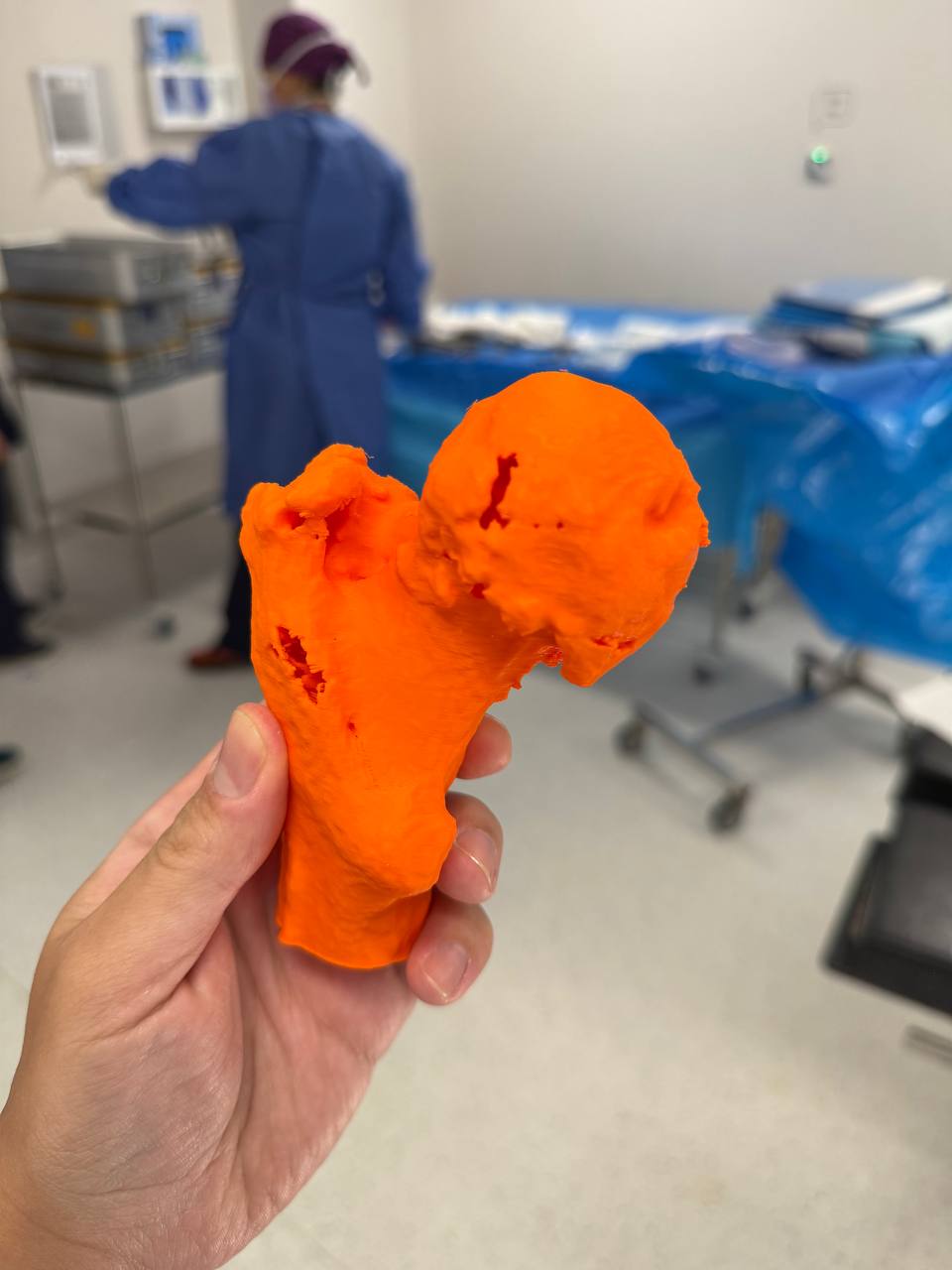
Hip Surgery
What is the best implant for hip replacement?
Read full article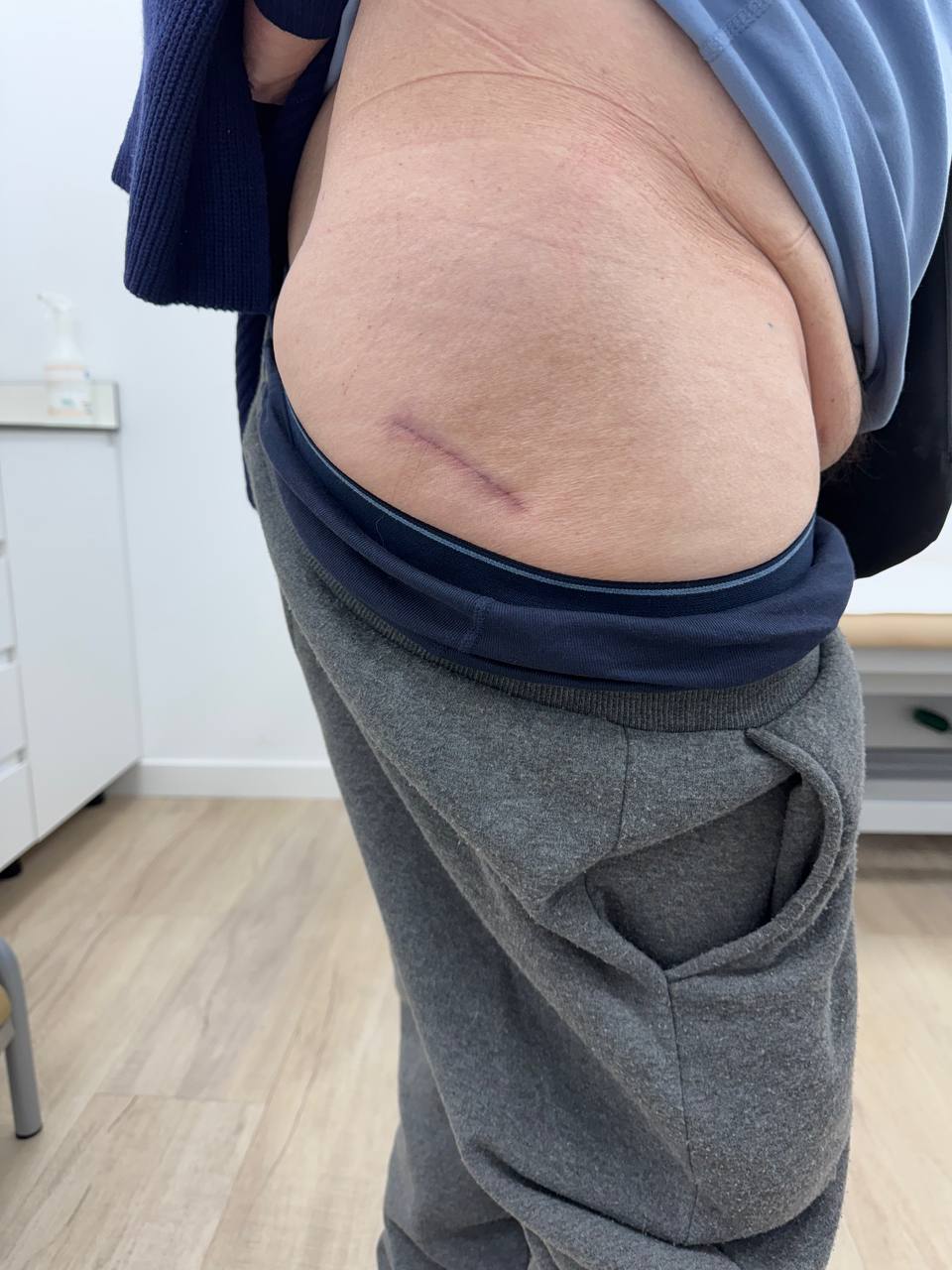
Hip Surgery
Minimally invasive hip replacement: what patients should know before surgery
Read full article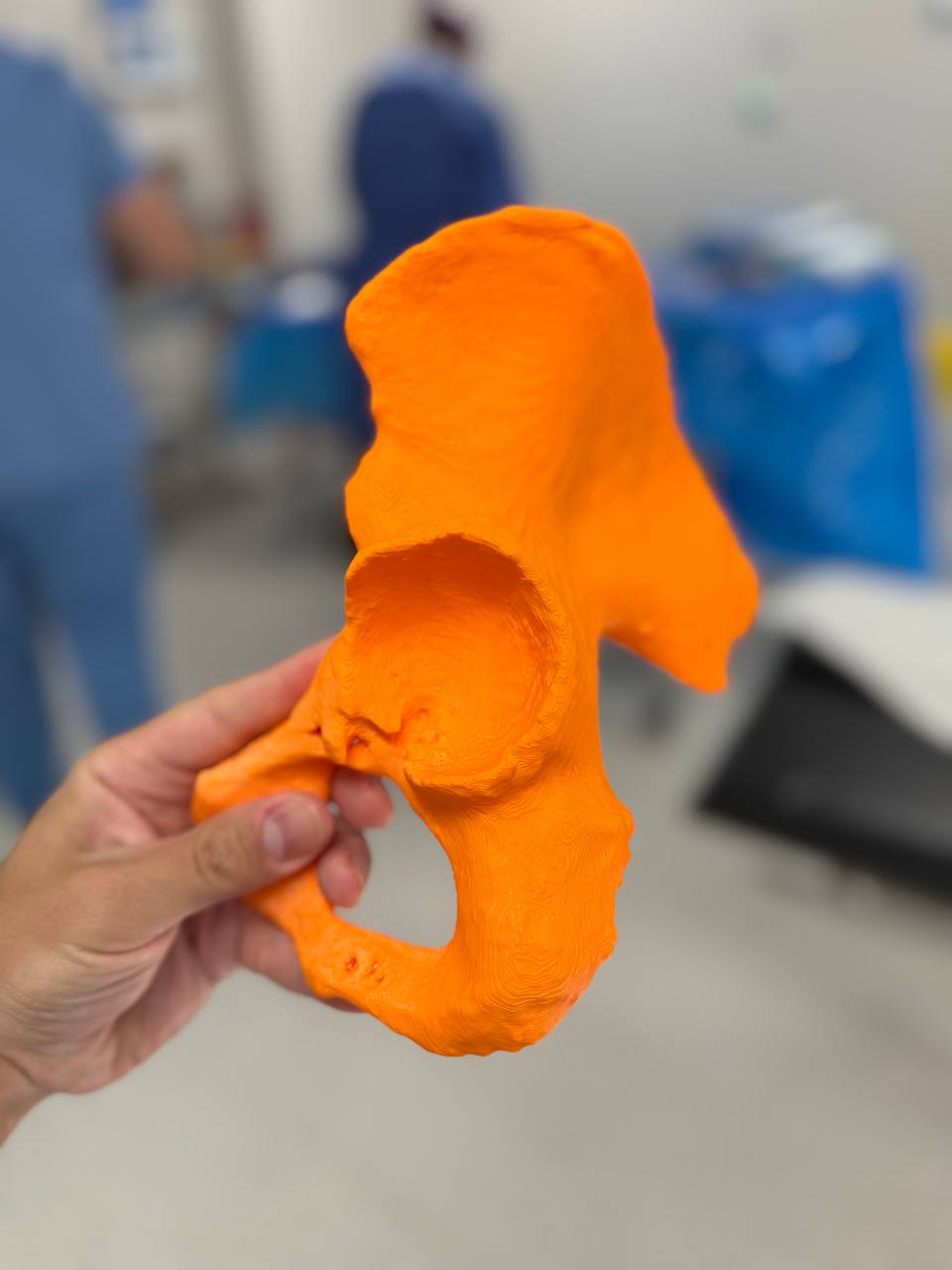
Hip Surgery
Hip resurfacing vs total hip replacement
Read full articlePrivate hip assessment
Request a specialist hip assessment
This article is for general educational purposes and does not replace individual medical assessment. Surgical indication, implant selection, approach and recovery planning must be evaluated case by case by a qualified medical specialist.