

DF Trauma Journal
What is the best implant for hip replacement?
Choosing the right implant is one of the most important decisions in total hip replacement. However, there is no single best implant for every patient. A sound choice brings together the patient’s anatomy and priorities with the mechanics of fixation, bearing surfaces and accurate reconstruction.
Hip Surgery
DF Trauma Journal · Editorial clinical publication
David Fernández-Fernández, MD · Alicante, Spain
Clinical summary
There is no universal best hip implant. The right choice depends on anatomy, bone quality, diagnosis, age, activity level, fixation strategy, bearing surface, implant positioning and surgical planning.
Why there is no single best hip implant
Total hip replacement uses several components to reconstruct the joint: a cup in the pelvis, a liner, a femoral head and a stem. Each component is available in different geometries, sizes and materials. The most appropriate combination depends on the condition being treated and on the individual anatomy into which it must fit.
A design that is appropriate for a younger patient with strong bone may not be the right solution for an older patient with reduced bone quality, a previous fracture or altered anatomy. The objective is not to select the most fashionable implant, but to build a stable, well-positioned reconstruction for the specific clinical situation.
Ceramic bearing surfaces in hip replacement
The bearing surface is the moving interface between the femoral head and the liner. Ceramic heads are routinely considered in contemporary hip replacement when clinically appropriate. They have a smooth, hard surface and can be paired with a compatible ceramic or highly cross-linked polyethylene liner.
Bearing choice also depends on component compatibility, head size, patient factors and the surgeon’s reconstruction strategy. Ceramic is not a universal answer in isolation; it is one part of a complete implant system that must be selected and positioned correctly.
Cemented and cementless fixation
Implants can be fixed to bone with bone cement or through a cementless surface designed for biological integration. Both approaches have established roles. Bone quality, femoral shape, age, diagnosis and fracture risk influence the decision, and hybrid combinations may be considered in selected cases.
Cementless fixation is common in many active patients with suitable bone, while cemented fixation can be valuable when immediate fixation and protection of more fragile bone are priorities. The correct question is therefore not which method is universally superior, but which fixation strategy best matches the patient.
Implant positioning and 3D planning
Even a well-designed implant depends on appropriate size, orientation and restoration of hip mechanics. Preoperative planning helps estimate cup and stem size, component position, leg length and offset before surgery. These measurements guide the reconstruction but are confirmed through clinical judgement during the procedure.
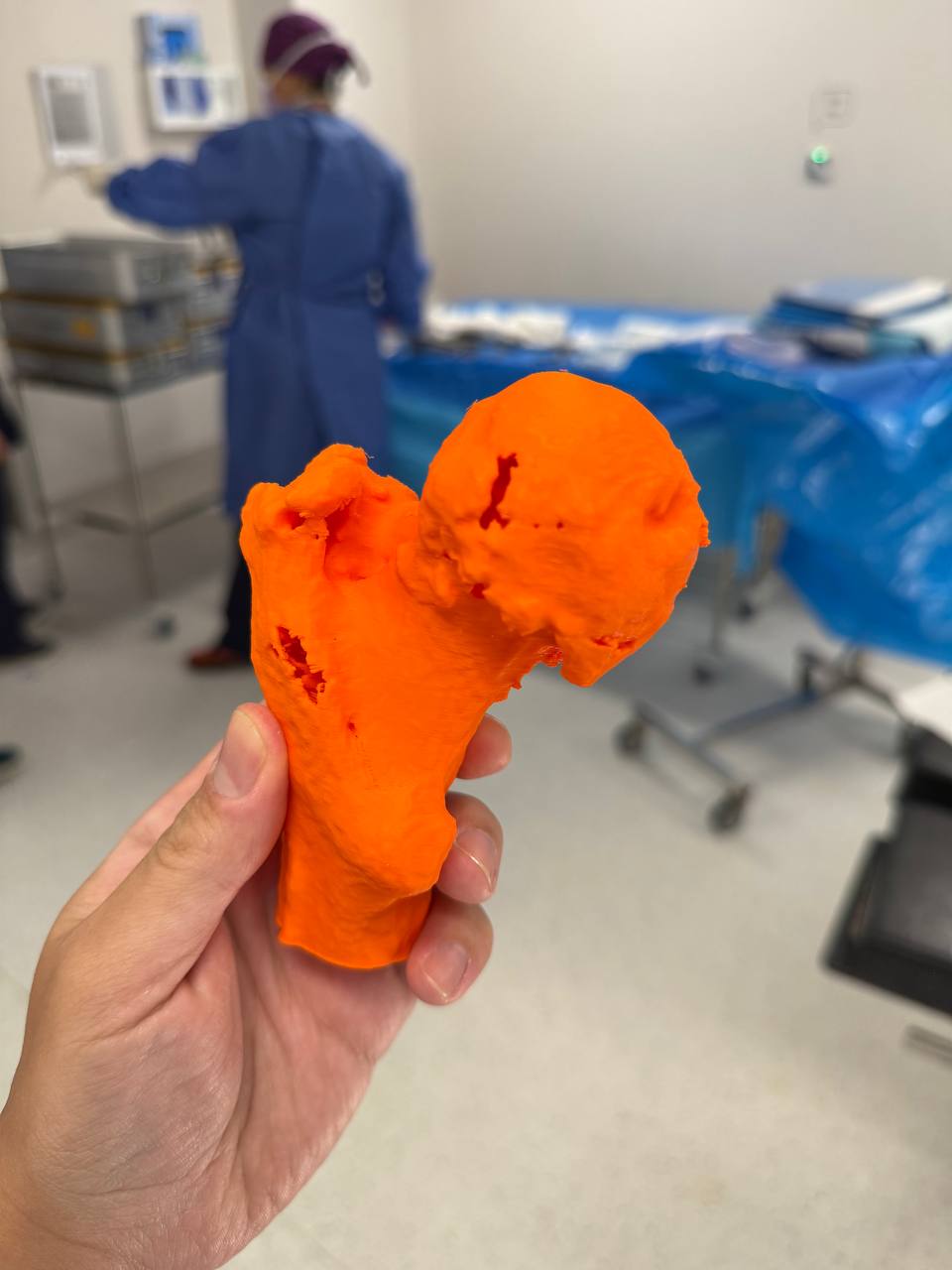
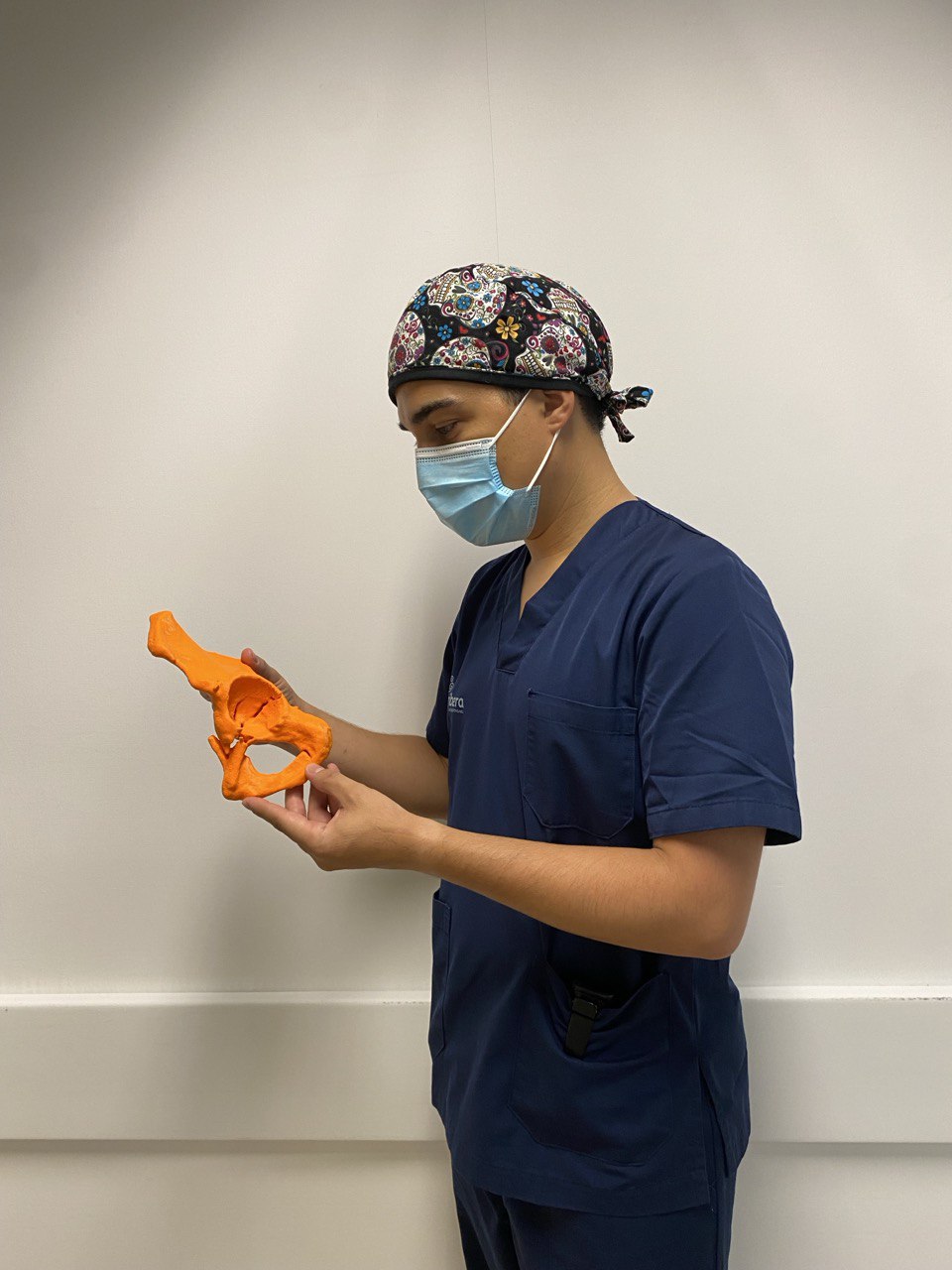
Three-dimensional planning can add a patient-specific view of pelvic and femoral anatomy. It may be particularly useful when deformity, previous surgery or complex reconstruction makes conventional two-dimensional assessment less complete. Planning supports decisions; it does not replace careful execution or guarantee a particular result.
Young, active and complex patients
Younger and more active patients often ask about wear, activity and future revision. These considerations may influence bearing surfaces, fixation and implant geometry, but no implant comes with a guaranteed lifespan. Activity advice and follow-up remain individual.
Complex primary surgery, hip dysplasia, previous fracture, retained metalwork and revision surgery may require specialised components or a different reconstruction plan. In these situations, detailed imaging and an inventory of alternatives can be as important as the first-choice implant.
What DF Trauma considers before hip replacement
The DF Trauma pathway begins with diagnosis and indication. Symptoms, examination, imaging, bone quality, previous treatment, functional expectations and general health are reviewed before discussing an implant strategy.
Planning then considers fixation, bearing surface, component size and position, restoration of leg length and offset, surgical approach and recovery needs. Implant selection is presented as part of this wider clinical plan rather than as a brand-led decision.
When to request a specialist hip assessment
A specialist assessment may be useful when hip pain and loss of function continue despite appropriate non-operative care, when replacement has been proposed, or when a patient wants to understand different reconstruction options before deciding.
A second opinion can also help in younger patients, unusual anatomy, previous hip surgery, resurfacing discussions or complex cases. It should clarify diagnosis, reasonable options and trade-offs—not promise that surgery or a particular implant will be recommended.
DF Trauma clinical perspective
The plan must fit the patient.
David Fernández-Fernández, MD, approaches hip reconstruction through diagnosis, patient-specific anatomy, surgical indication and recovery goals. Technology, implant choice and surgical approach are considered only where they add value to that complete clinical pathway.
The appropriate recommendation may be surgery, further assessment or continued non-operative care. No article can determine that choice without an individual medical evaluation.
Frequently asked questions
Questions patients ask
Is there a best hip implant for everyone?
No. Implant selection is individual and depends on diagnosis, anatomy, bone quality, age, activity, fixation and the overall reconstruction plan.
Are ceramic implants better for hip replacement?
Ceramic bearing surfaces have useful properties and are routinely considered when appropriate, but they are not automatically the best choice for every patient or every implant combination.
Does 3D planning help choose the implant?
It can support patient-specific sizing and analysis of component position, leg length and offset. It remains a planning aid rather than a guarantee of accuracy or outcome.
Can patients choose the implant brand?
Patients can discuss implant options and preferences, but the final recommendation should account for clinical indication, system compatibility, surgeon experience and availability.
When should I ask for a second opinion before hip replacement?
A second opinion may be helpful when the diagnosis or timing is unclear, several surgical options have been proposed, or the case involves young age, previous surgery or complex anatomy.
Continue reading
Related DF Trauma Journal articles
Surgical Technology
3D preoperative planning before hip replacement
Read full article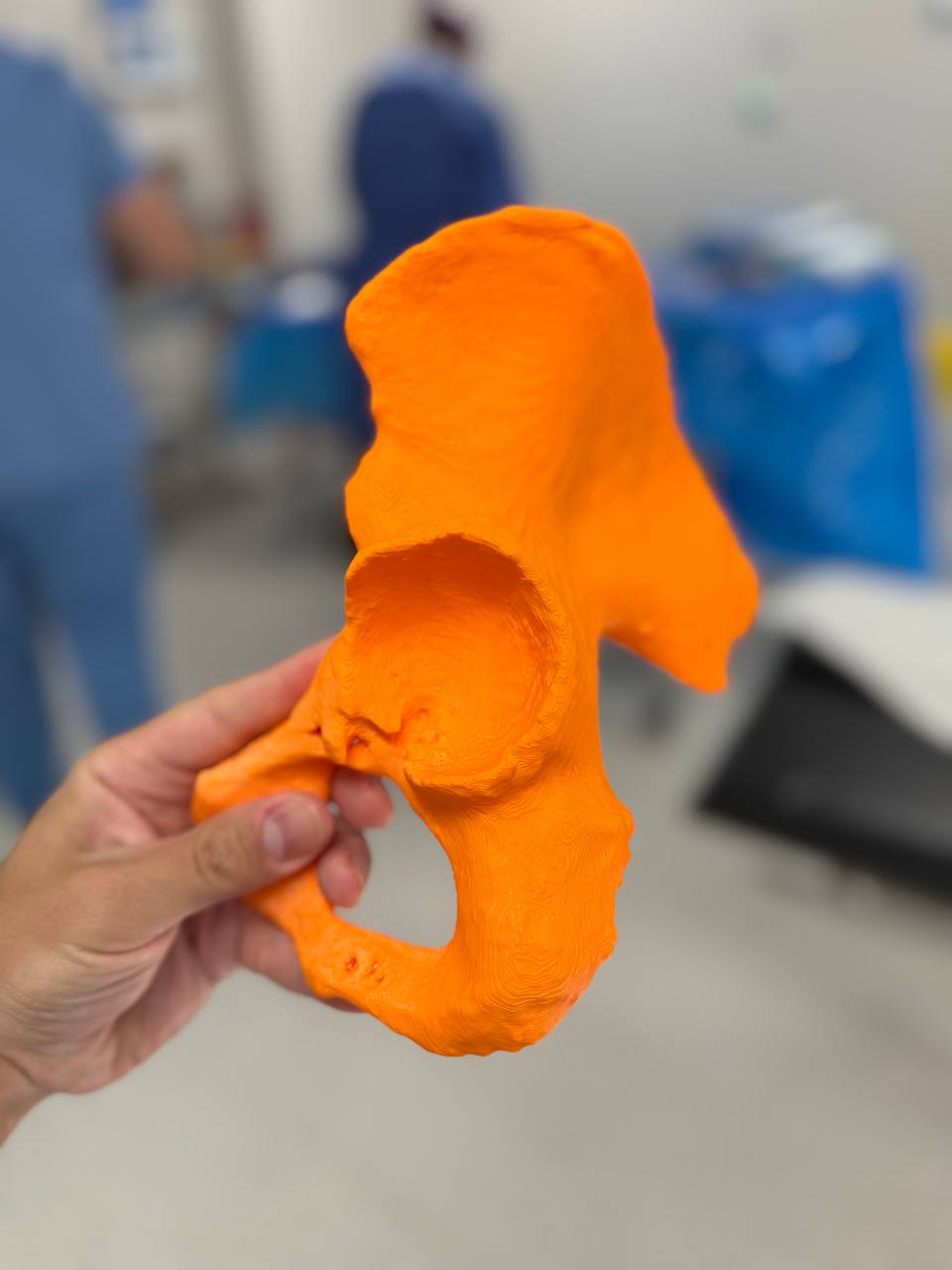
Hip Surgery
Hip resurfacing vs total hip replacement
Read full article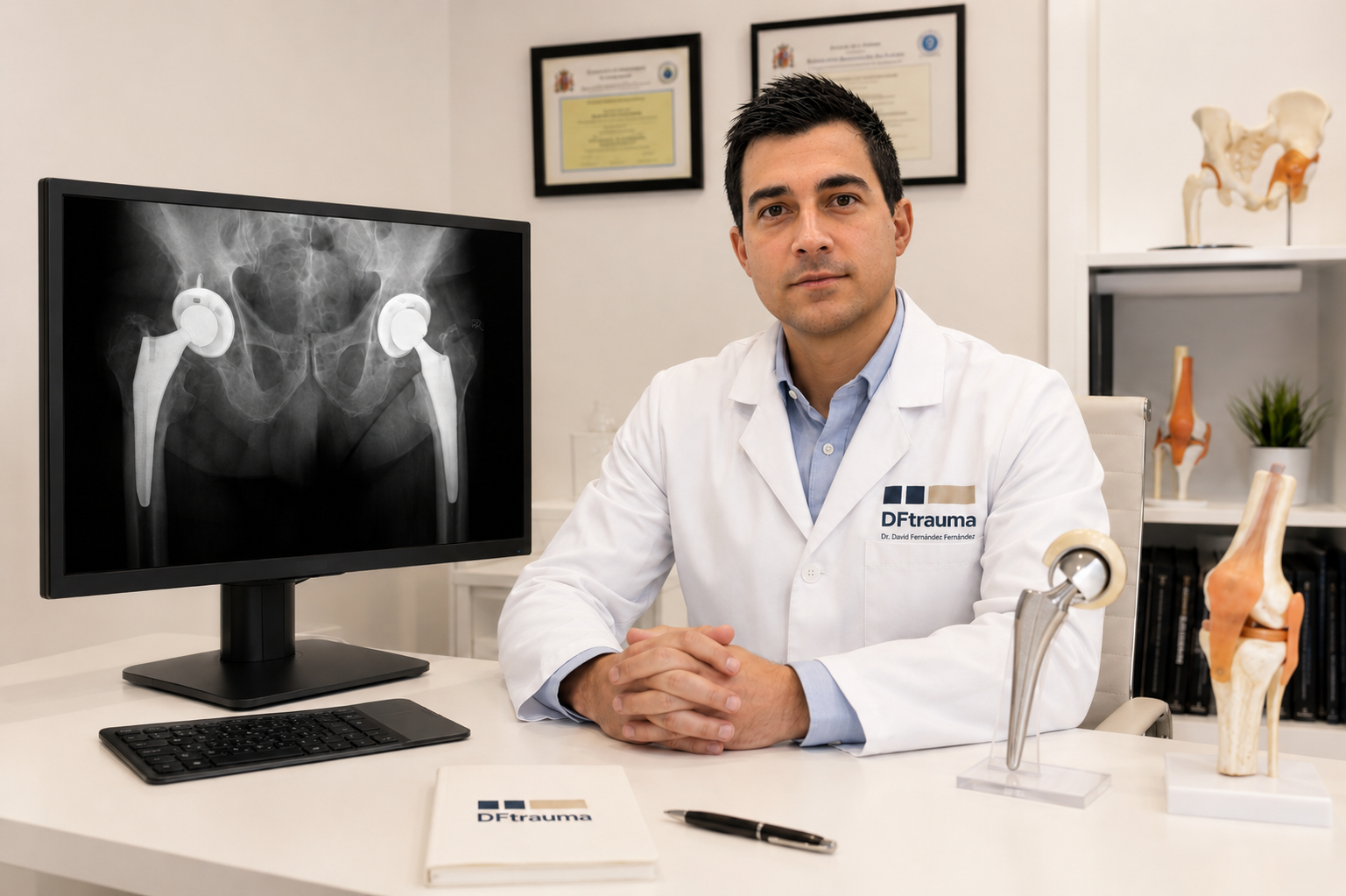
Second Opinion
When should you ask for a second opinion before hip replacement?
Read full articlePrivate hip assessment
Request a specialist hip assessment
This article is for general educational purposes and does not replace individual medical assessment. Surgical indication, implant selection, approach and recovery planning must be evaluated case by case by a qualified medical specialist.