
Understand
Review anatomy, deformity, bone quality and previous reconstruction.
3D Trauma ASP · Advanced Surgical Planning
Patient-specific preoperative planning in joint replacement and complex orthopaedic reconstruction.
Advanced surgical planning since 2016
01 — Introduction
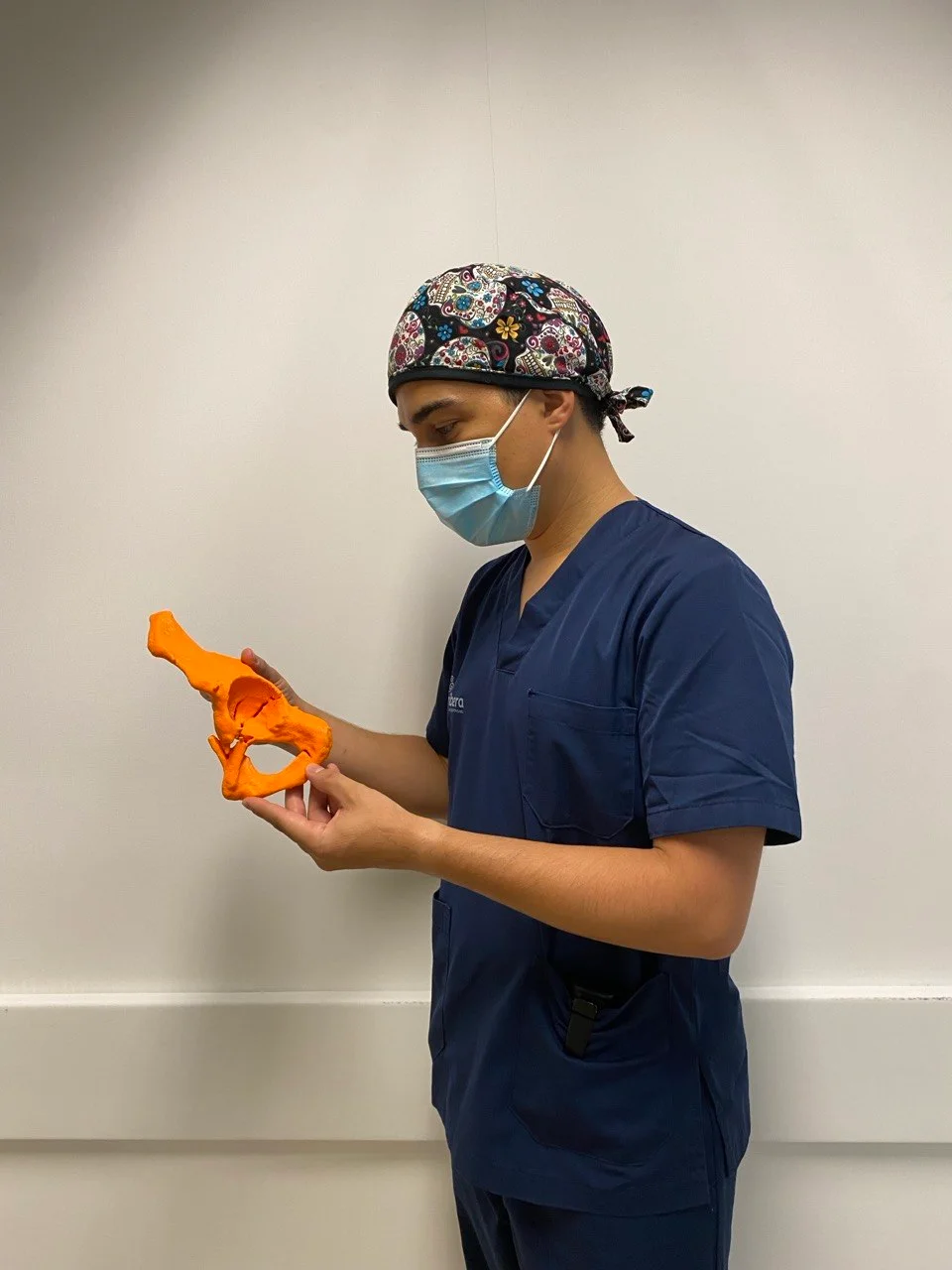
3D Trauma ASP—Advanced Surgical Planning—brings together DF Trauma’s approach to advanced surgical planning, with Hip and Knee pathways for hip and knee surgery. It begins with clinical assessment and appropriate imaging to study anatomy, define reconstruction objectives and prepare an individual strategy.
Dr. David Fernández-Fernández has worked in advanced surgical planning since 2016. The pathway and tools are selected for the needs of each case, rather than as an identical package for every patient.
Planning can help anticipate decisions, but it does not replace diagnosis, surgical judgement, safe execution or intraoperative verification.
02 — Why planning matters
Bone morphology, deformity, previous surgery, implant geometry and reconstruction objectives vary between patients. Planning creates a disciplined way to examine those variables before selected procedures.
Review anatomy, deformity, bone quality and previous reconstruction.
Consider implant families, sizes, fixation and alternative strategies.
Compare the plan with intraoperative anatomy and adapt when necessary.
03 — From imaging to strategy
The sequence changes according to the procedure, indication, available tools and the information needed. A CT scan or 3D reconstruction is not routine for every patient.
Clinical assessment
Relevant diagnostic imaging
Anatomical analysis
3D reconstruction, when appropriate
Surgical strategy
Implant and reconstruction planning
Intraoperative execution and verification
04 — 3D Trauma ASP Hip
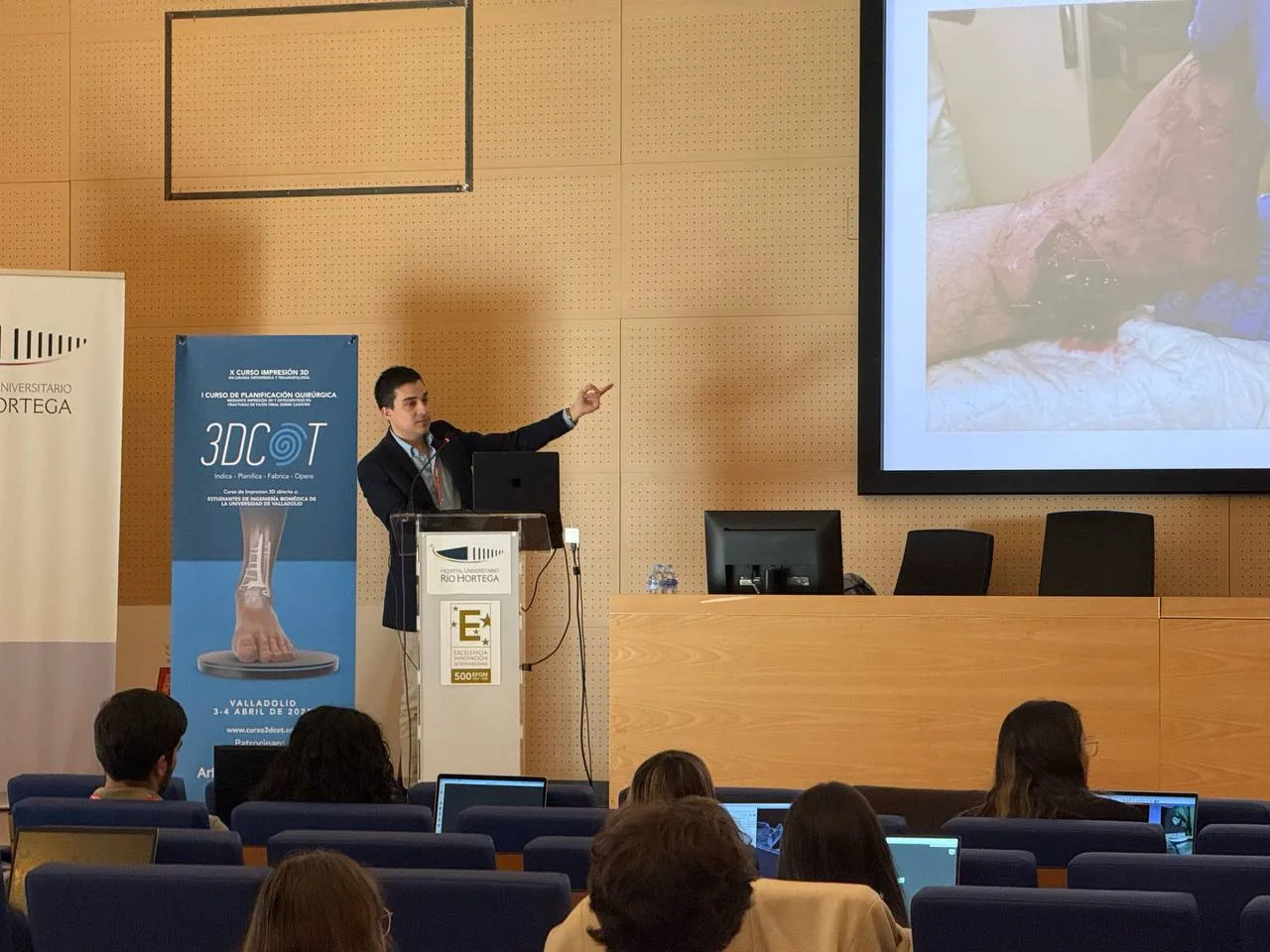
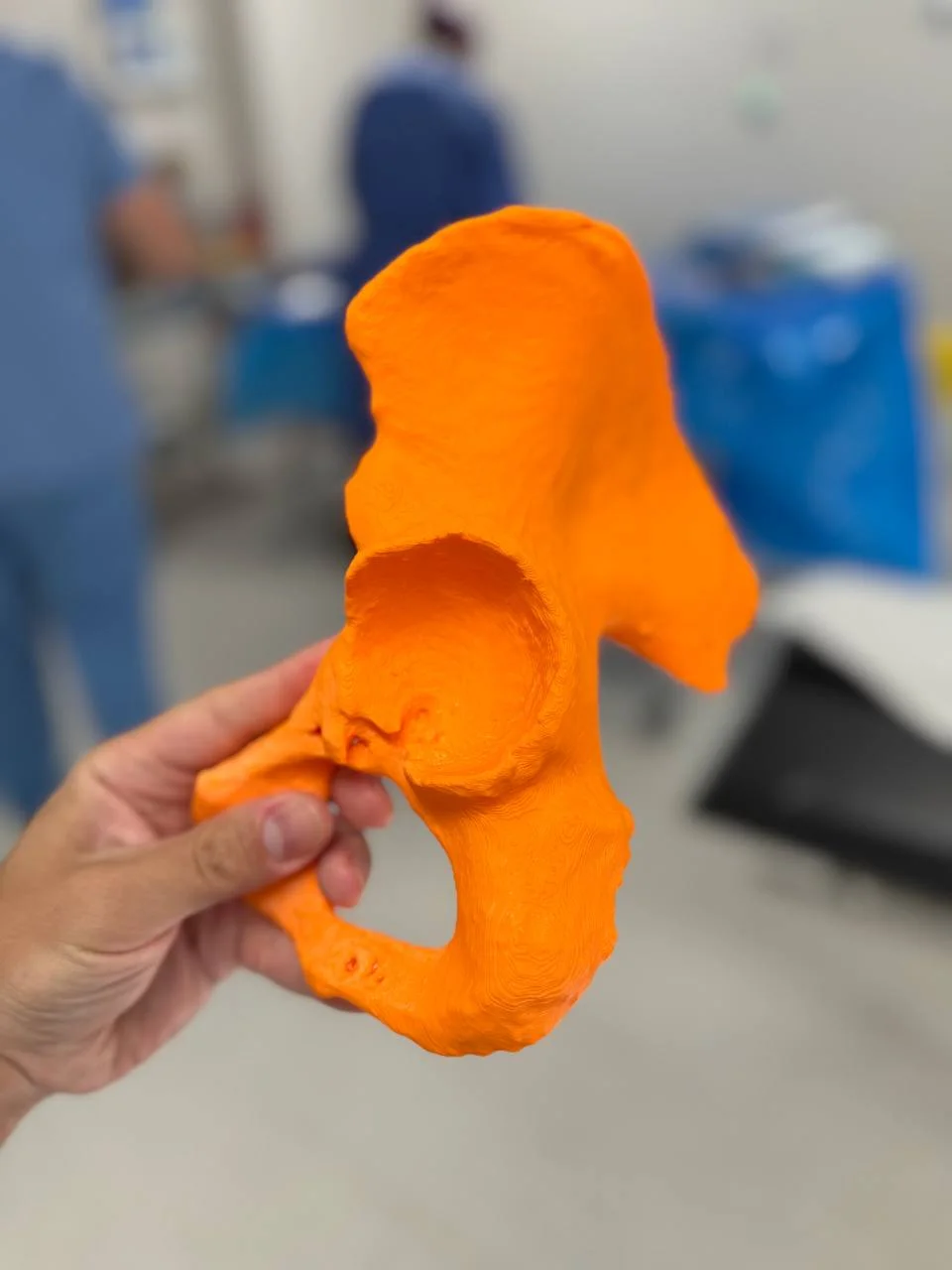
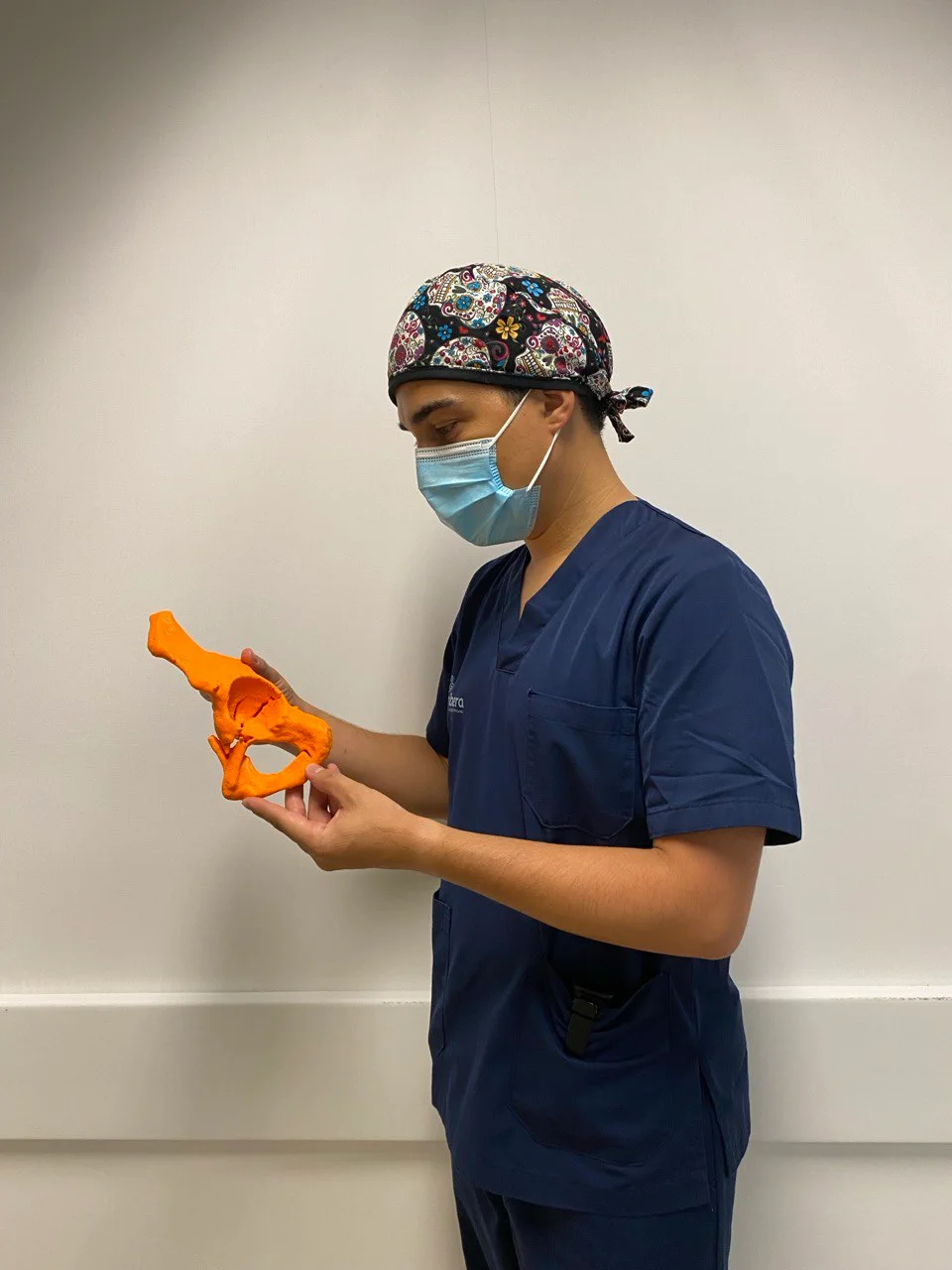
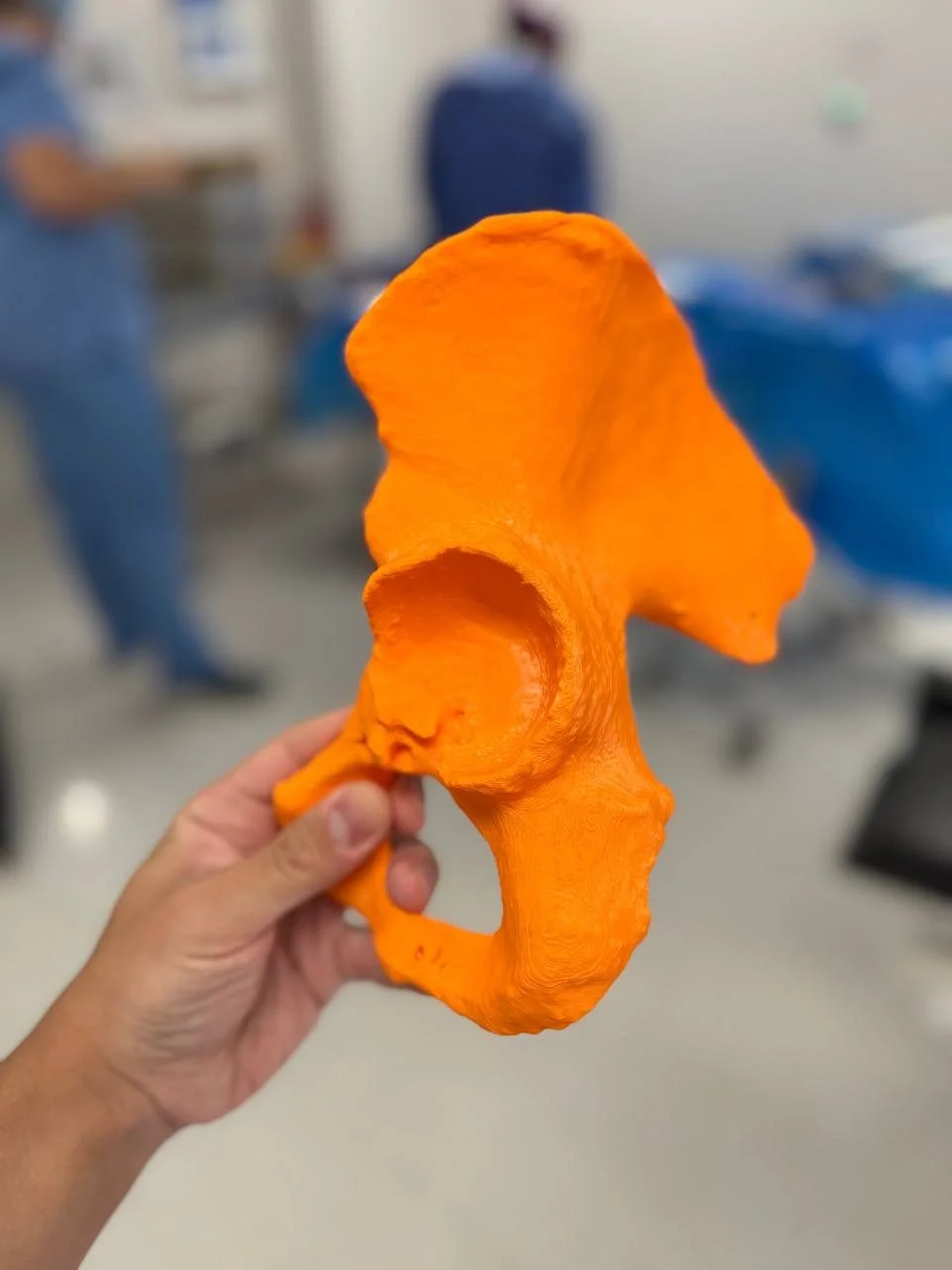
In hip replacement, planning may help understand the relationship between pelvis, acetabulum and femur, anticipate implant strategy and define reconstruction objectives. Its value may increase with deformity, previous surgery, bone loss or complex anatomy.
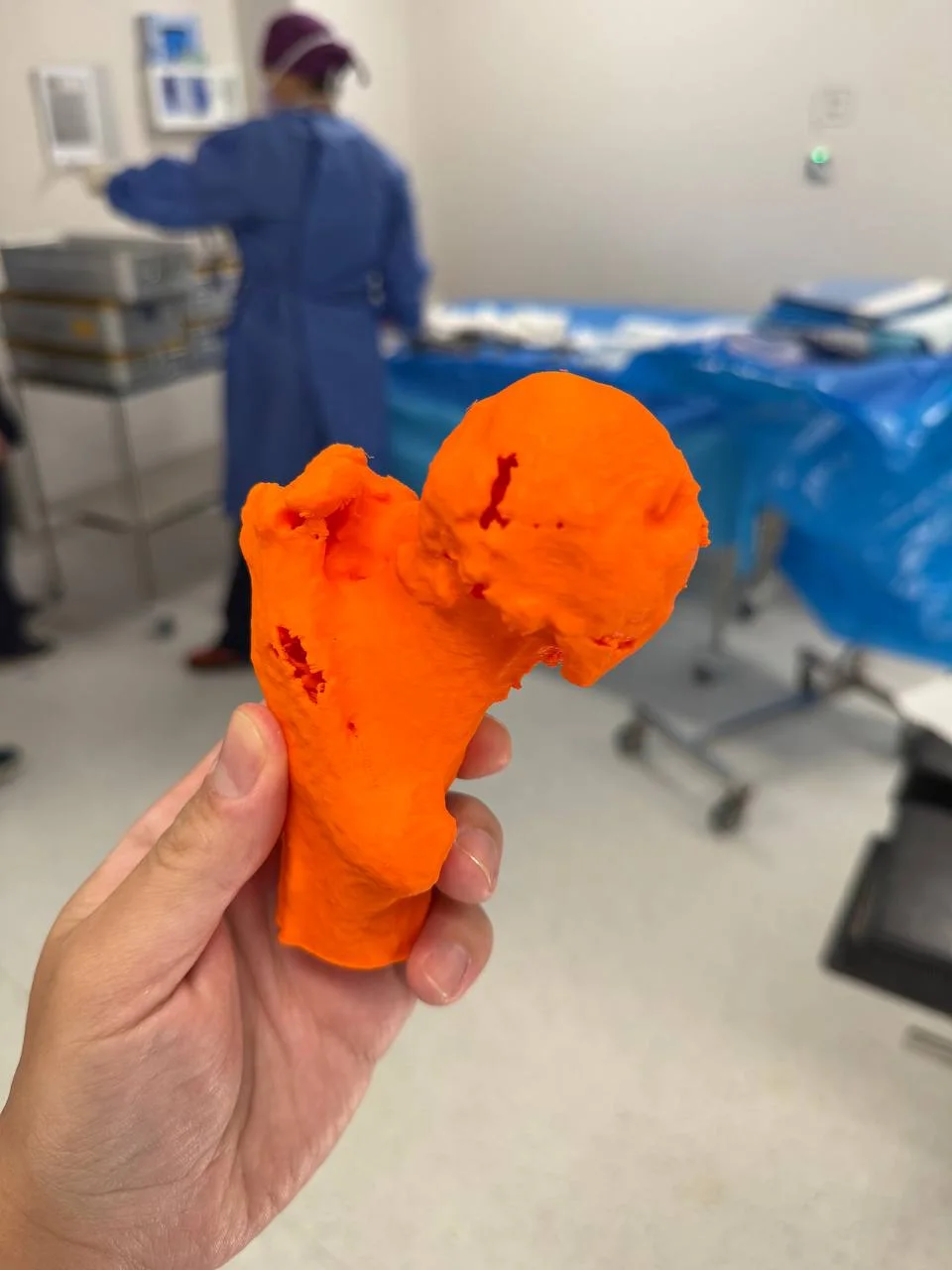
05 — 3D Trauma ASP Knee
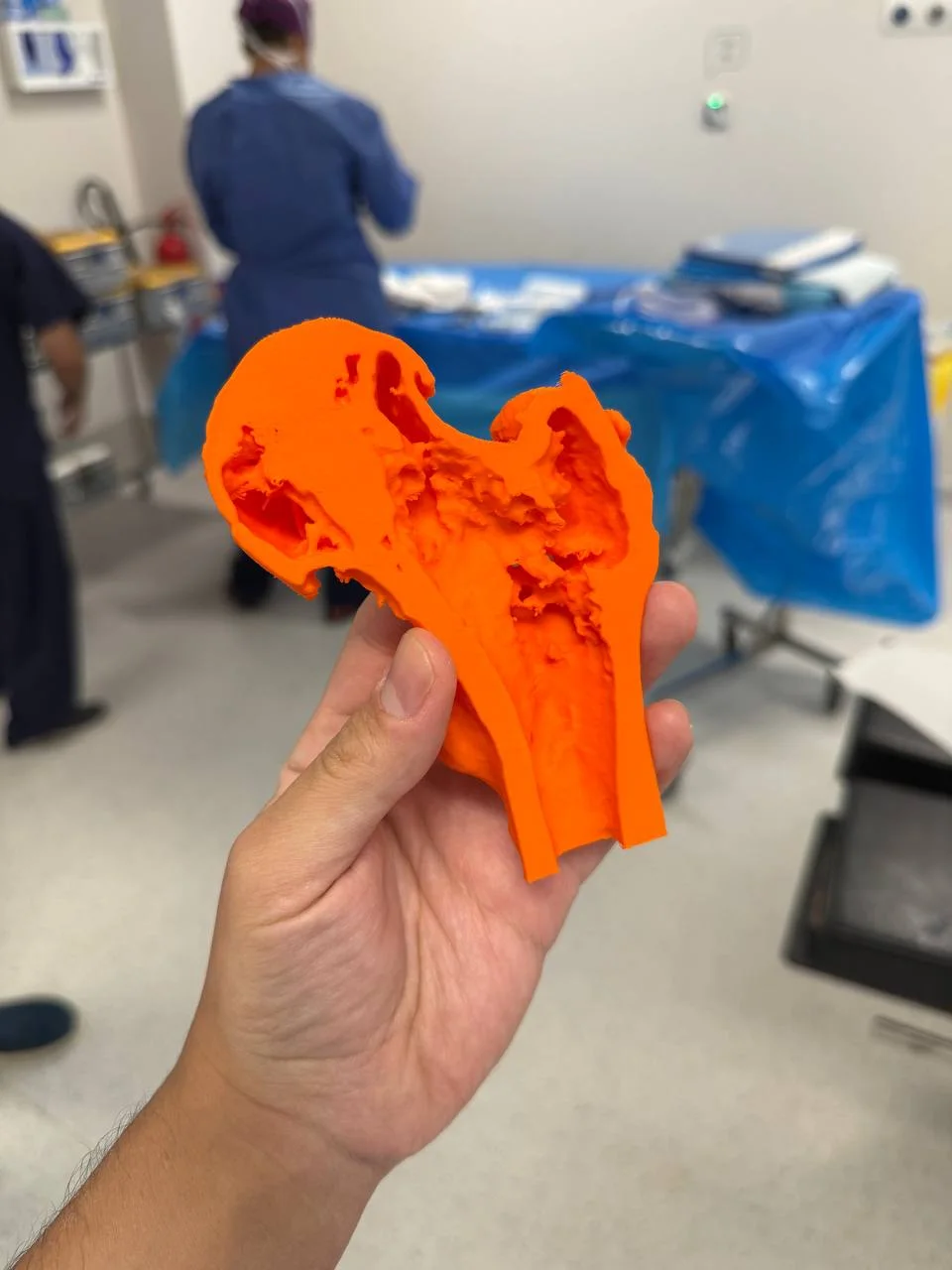
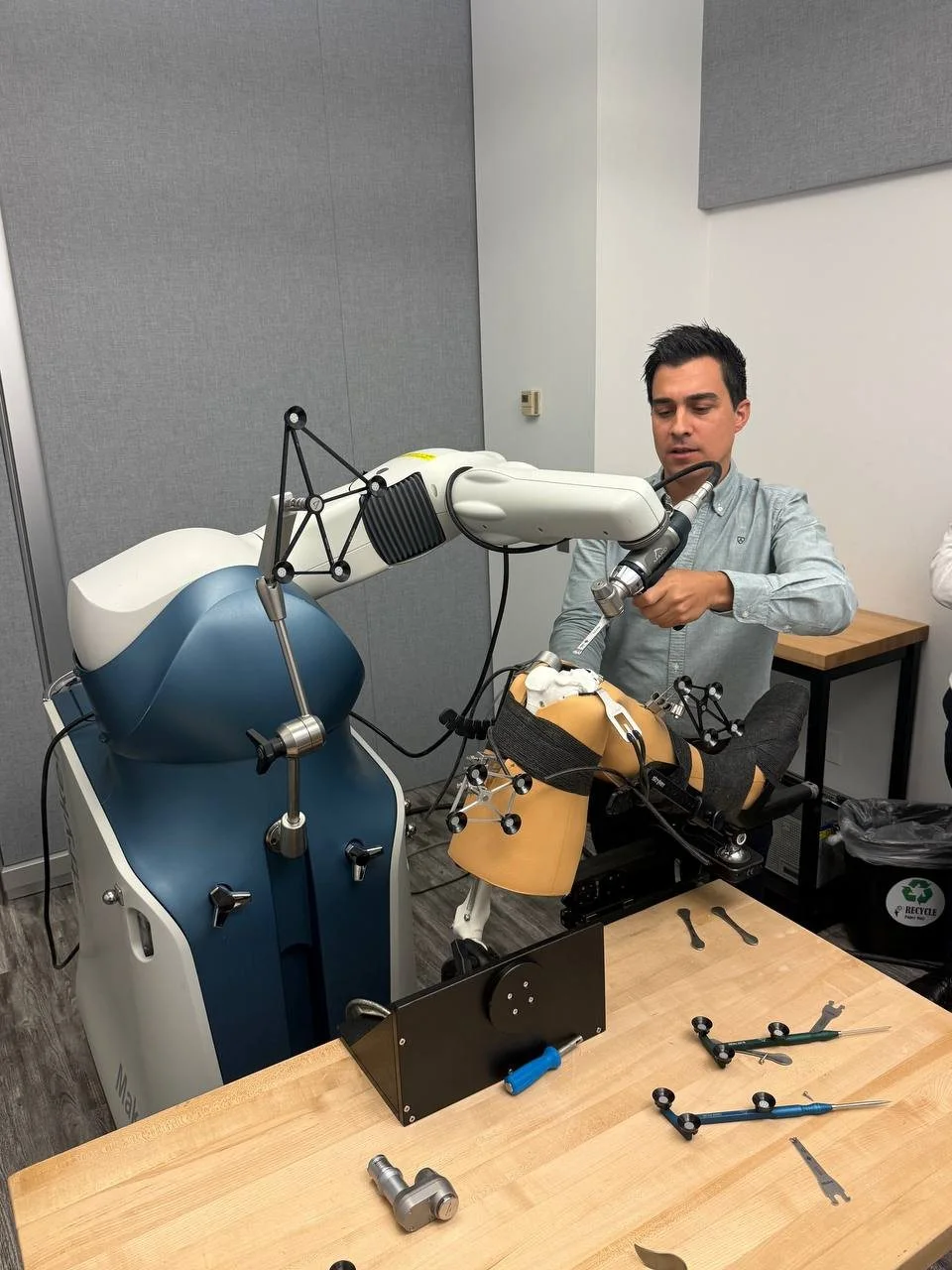
Selected knee procedures may benefit from detailed assessment of alignment, bone morphology, deformity and implant strategy. The imaging and planning workflow must match the actual indication; the same three-dimensional process is not used routinely in every knee operation.
06 — Trauma & reconstruction
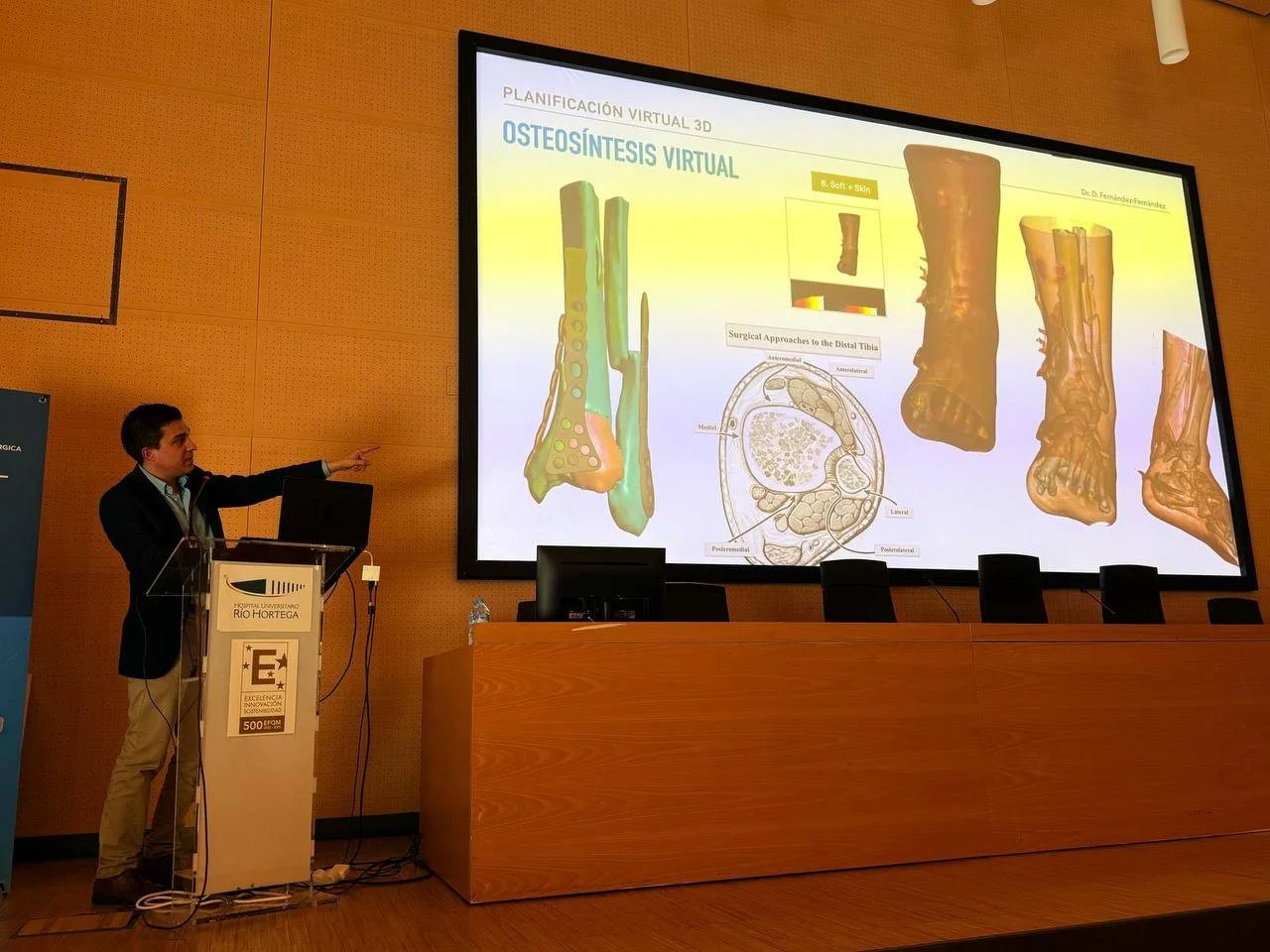
Complex fracture anatomy, previous surgery, deformity, bone loss and revision reconstruction may justify additional analysis or patient-specific planning tools. Their use depends on whether they add information relevant to a specific clinical decision.
07 — Planning and implant selection
Planning can support the comparison of reconstruction concepts, sizing ranges, fixation strategies and compatible components. The final choice depends on diagnosis, anatomy, bone quality, evidence, regulatory availability and intraoperative findings.
08 — Clinical limits
It cannot guarantee implant position, precision, recovery or outcome.
Not every patient needs CT imaging or a three-dimensional reconstruction.
Image quality, software assumptions and anatomical change can affect the plan.
The plan must be checked against the anatomy and findings encountered during surgery.
09 — Clinical perspective
The usefulness of any planning tool depends on an appropriate indication and a clear clinical question. The objective is not to produce a three-dimensional model routinely, but to understand anatomy more completely when that information may change or reinforce the surgical strategy.
Detailed preparation must be accompanied by reasonable alternatives, implant compatibility, safe technique and the ability to adapt the plan to the actual findings during surgery.
10 — Related clinical areas