

DF Trauma Journal
3D preoperative planning before hip replacement
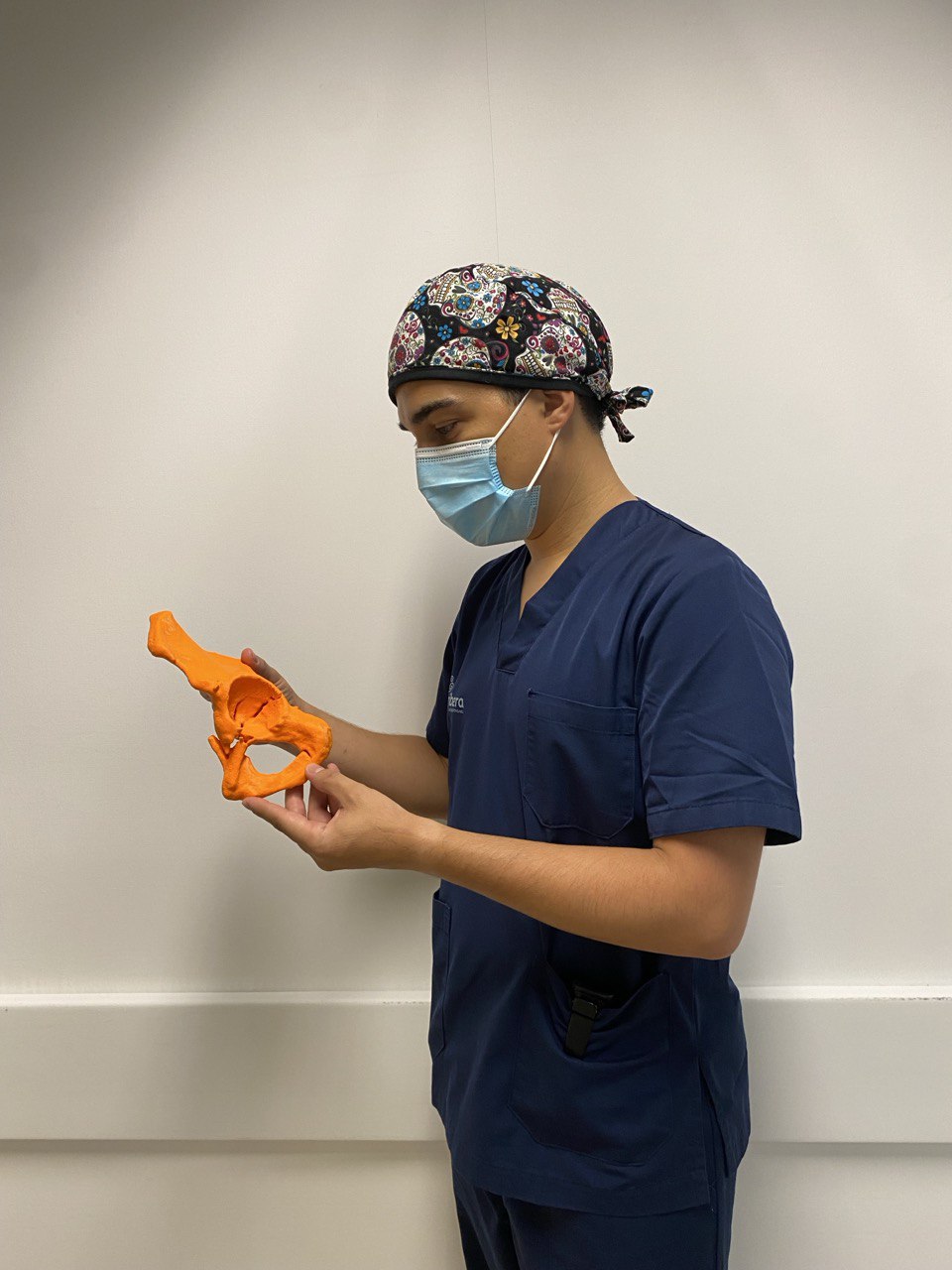
Hip replacement is a three-dimensional reconstruction. Digital planning can help the surgeon study the patient’s pelvic and femoral anatomy before entering the operating theatre, anticipate technical challenges and prepare an implant strategy.
Surgical Technology
DF Trauma Journal · Editorial clinical publication
David Fernández-Fernández, MD · Alicante, Spain
Clinical summary
3D preoperative planning can help the surgeon study patient-specific anatomy before hip replacement, especially when implant positioning, leg length, offset, deformity or complex reconstruction require detailed preparation.
What 3D preoperative planning means
Three-dimensional planning uses cross-sectional imaging and specialised software to build a spatial model of the hip. The surgeon can review the pelvis and femur from different angles, simulate component sizes and consider reconstruction targets.
It complements clinical assessment and standard imaging. The plan is a structured preparation tool and must be interpreted alongside findings during surgery.
Why hip anatomy matters before surgery
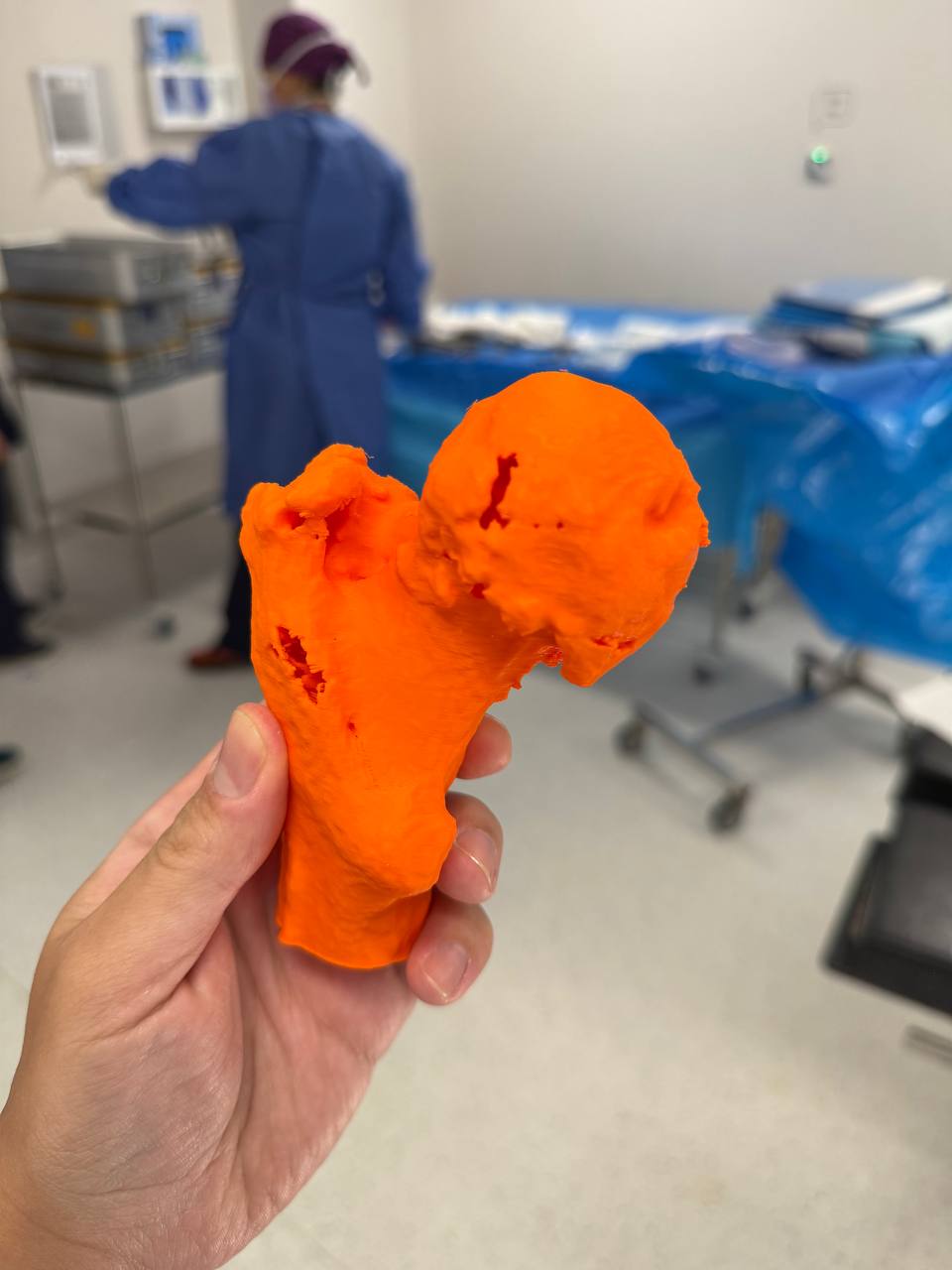
Pelvic orientation, socket shape, femoral version, canal geometry and previous deformity vary between patients. These differences can affect component fit and the mechanics of the reconstructed hip.
Recognising variation before surgery allows the team to anticipate exposure, instruments and implant options. This is particularly relevant in dysplasia, previous fractures and other non-standard anatomy.
Implant sizing and component positioning
A virtual plan can estimate cup and stem size and explore component orientation. It can also identify areas where bone coverage or implant fit may require attention.
These estimates improve preparation but do not remove the need for intraoperative judgement. Bone quality and real surgical findings may lead to a justified change from the plan.
Leg length, offset and reconstruction planning
Leg length and offset influence balance, muscle tension and hip mechanics. Planning can compare both sides and estimate how implant choices may restore these relationships.
The objective is not to force every measurement to an abstract ideal. It is to understand the patient’s baseline, deformity and safe reconstruction range before making decisions.
Complex hip cases and revision surgery
Previous implants, bone loss, healed fractures and altered landmarks can make planning more demanding. Three-dimensional assessment may clarify bone stock, component position and the need for specialised reconstruction options.
Complex cases often require contingency plans. Digital information can support this preparation, but it cannot predict every intraoperative finding or guarantee an outcome.
How 3D planning supports surgical decision-making
Planning creates a shared reference for indication, approach, implant inventory and reconstruction priorities. It can also support patient explanations by showing why one strategy may be more suitable than another.
Its value depends on image quality, appropriate software, correct interpretation and disciplined surgical execution. Technology supports the clinical decision; it does not make the decision independently.
3D planning in DF Trauma hip replacement pathways
DF Trauma uses advanced planning when it adds relevant information to hip replacement or reconstruction. The decision is based on anatomy and case complexity rather than applying the same process indiscriminately.
For private and international patients, planning is integrated with the consultation, implant strategy, surgical pathway and recovery discussion so that the technology remains connected to the clinical objective.
DF Trauma clinical perspective
The plan must fit the patient.
David Fernández-Fernández, MD, approaches hip reconstruction through diagnosis, patient-specific anatomy, surgical indication and recovery goals. Technology, implant choice and surgical approach are considered only where they add value to that complete clinical pathway.
The appropriate recommendation may be surgery, further assessment or continued non-operative care. No article can determine that choice without an individual medical evaluation.
Frequently asked questions
Questions patients ask
Is 3D planning necessary before every hip replacement?
No. It may add value in selected routine and complex cases, while other patients can be planned appropriately with conventional methods.
What information does 3D planning provide?
It can show patient-specific pelvic and femoral anatomy and support estimates of implant size, orientation, leg length and offset.
Can 3D planning improve implant positioning?
It can support preparation and positioning decisions, but it does not guarantee perfect accuracy or a particular clinical result.
Is 3D planning useful in complex hip surgery?
It can be especially useful where deformity, previous surgery, bone loss or unusual anatomy requires detailed preparation.
How can I request assessment for 3D-planned hip surgery?
A hip assessment determines whether 3D planning is relevant to the case. DF Trauma can review this within its private and second-opinion pathways.
Continue reading
Related DF Trauma Journal articles
Hip Surgery
What is the best implant for hip replacement?
Read full article
Hip Surgery
Minimally invasive hip replacement: what patients should know before surgery
Read full article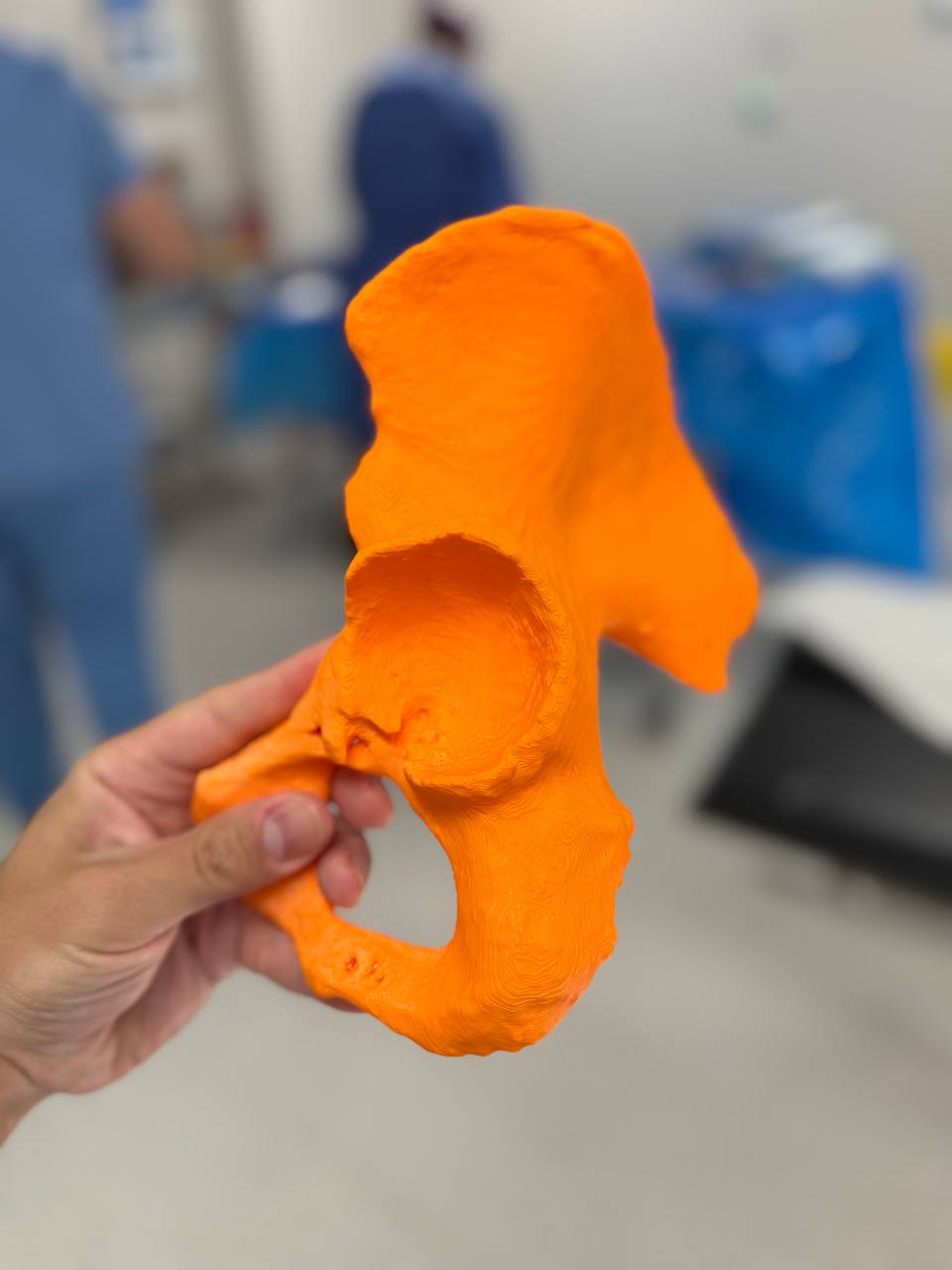
Hip Surgery
Hip resurfacing vs total hip replacement
Read full articlePrivate hip assessment
Request a specialist hip assessment
This article is for general educational purposes and does not replace individual medical assessment. Surgical indication, implant selection, approach and recovery planning must be evaluated case by case by a qualified medical specialist.