

Knee osteoarthritis
Selected patients, often with earlier or moderate disease, may explore symptom relief and better function after appropriate first-line care.
Joint preservation & PRP · Alicante · Costa Blanca
Explore personalised non-surgical treatments, including platelet-rich plasma (PRP), that may help relieve joint pain, improve mobility and preserve your natural joints whenever possible.
Your natural joint. Your everyday movement. A plan built around you.

Your joints help you walk, work, enjoy sport and stay independent. Ageing, injury, repeated loading and conditions such as osteoarthritis can bring pain, stiffness and restricted movement.
Joint preservation brings together medical care, rehabilitation and selected minimally invasive treatments to manage symptoms and maintain function while keeping the natural joint when appropriate.
The aim is to choose the right treatment for your joint, rather than avoid surgery at any cost. Diagnosis, the extent of damage, age, activity, previous treatment and your own priorities guide the decision.
Platelet-rich plasma
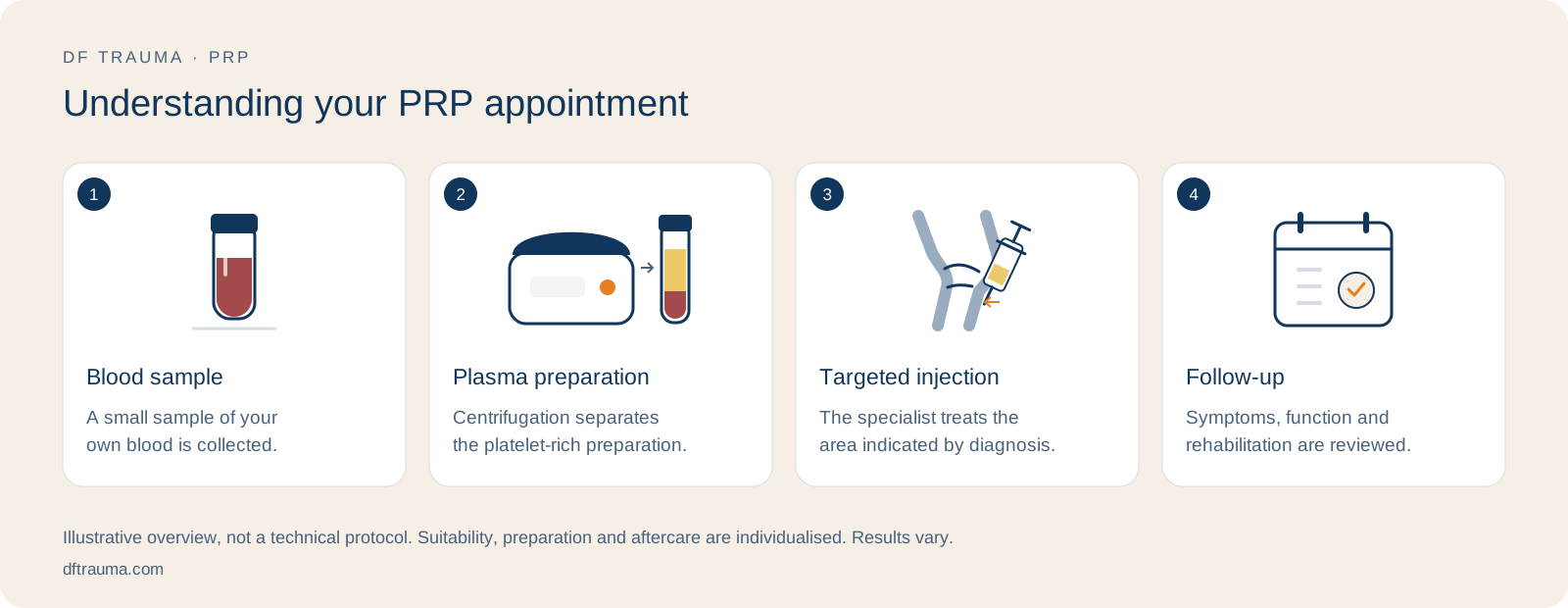
Platelet-rich plasma is prepared from a small sample of your own blood. A centrifuge separates the blood components to produce plasma with a higher concentration of platelets than usual.
Platelets contain growth factors and other substances involved in tissue repair signalling and the regulation of inflammation. The specialist injects the preparation into the area identified by your diagnosis. This biological rationale does not itself prove that damaged tissue will regrow.
Platelet-rich plasma is prepared from a small sample of your own blood. A centrifuge separates the blood components to produce plasma with a higher concentration of platelets than usual.
Symptoms, joint function and any rehabilitation or additional care are reviewed.
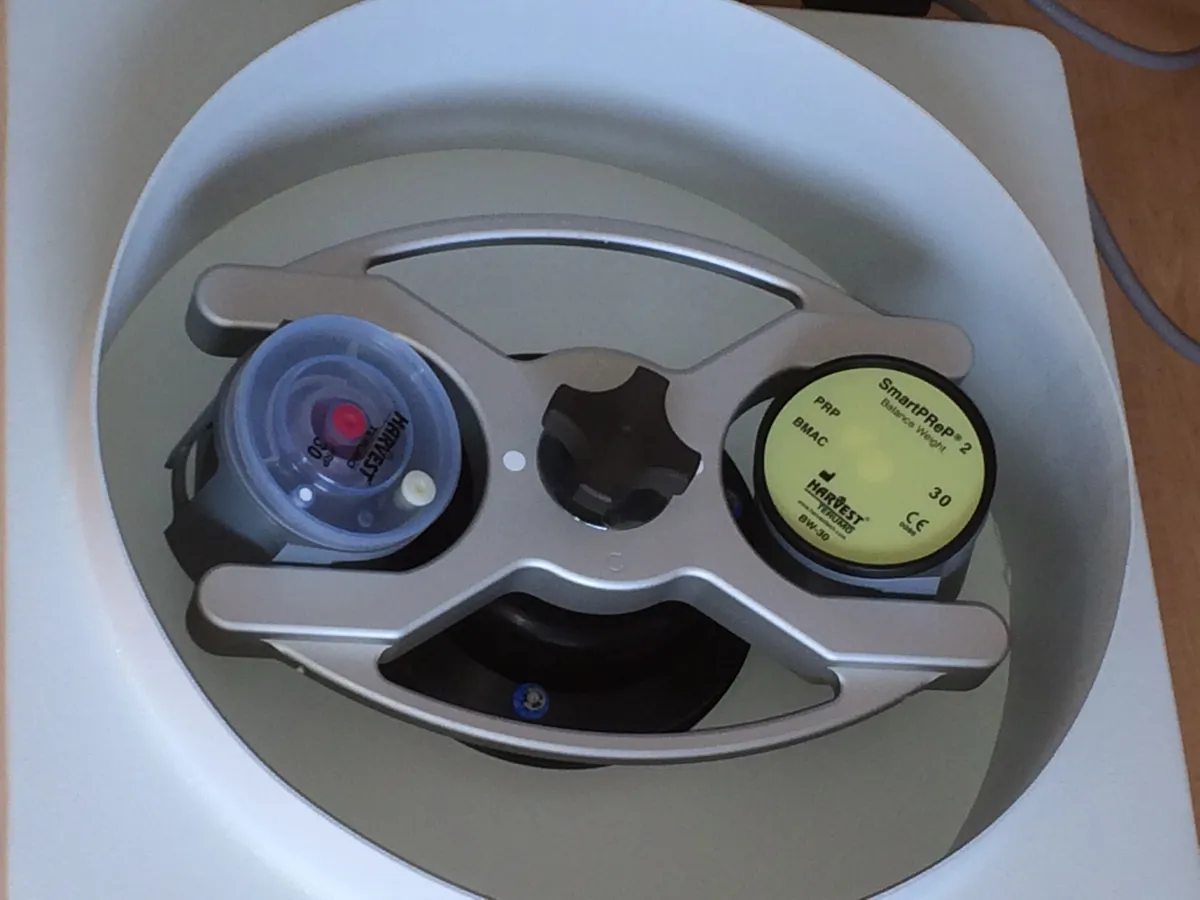
Preparation equipment
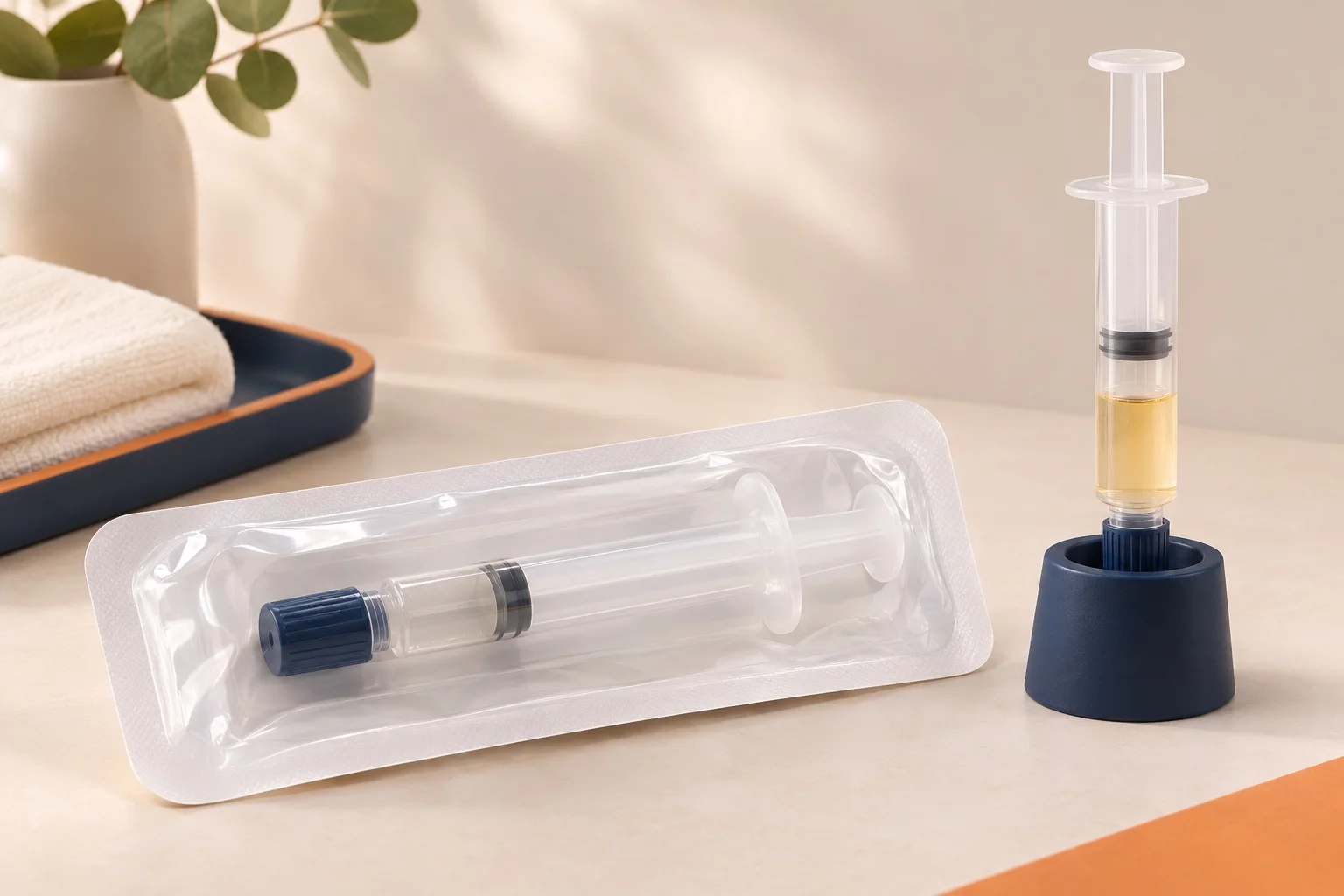
Closed systems allow blood collection and plasma preparation using dedicated equipment and a compatible centrifuge. The preparation and equipment depend on the medical protocol.
For a real product example, explore the Arthrex ACP double-syringe system.
Explore Arthrex ACP · official information ↗The image is illustrative and does not depict an Arthrex product. The link is for information; the system used for your treatment must be confirmed at consultation.
A small sample is taken from your own blood.
Centrifugation separates the components to obtain the platelet-rich preparation.
The specialist injects the indicated area, using ultrasound guidance when appropriate.
Symptoms, joint function and any rehabilitation or additional care are reviewed.
Bring your symptoms, previous treatments and available imaging to a specialist assessment. The first step is a diagnosis and a personalised plan.
These are reasons to seek assessment, not automatic indications for PRP. Suitability depends on the condition and the balance of benefits and risks.
Selected patients, often with earlier or moderate disease, may explore symptom relief and better function after appropriate first-line care.
Some persistent tendon conditions may be considered for biological treatment. Evidence varies by tendon and diagnosis, and rehabilitation remains central.
When pain limits everyday movement or sport, a conservative plan can help address functional goals without assuming an injection is needed.
If an operation has been suggested, assessment can clarify whether reasonable non-surgical alternatives remain.
Other health conditions or circumstances may make symptom management especially relevant. Suitability for any injection still requires an individual risk assessment.
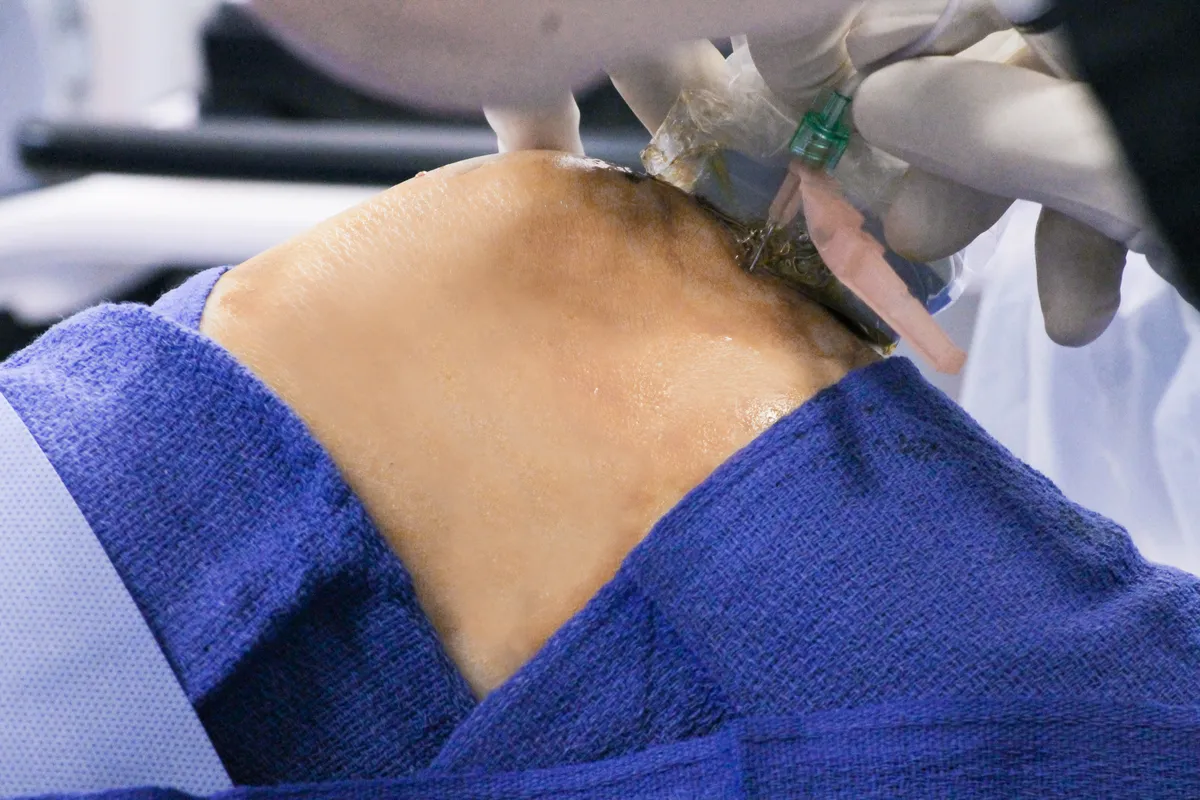
Viscosupplementation injects hyaluronic acid, a substance present in joint fluid, with the aim of easing symptoms. Benefits vary. AAOS does not recommend routine use for knee osteoarthritis, and NICE advises against offering it for osteoarthritis. Any consideration requires discussion of uncertain benefit, risks and alternatives. It does not restore cartilage.
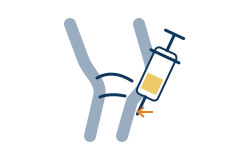
A non-biodegradable polyacrylamide hydrogel used as an intra-articular injection for selected cases of knee osteoarthritis, aiming to improve symptoms and function. Comparative trials and follow-up studies are encouraging, but evidence continues to evolve. It is not a cartilage-regenerating treatment, a definitive cure or proven superior to all alternatives. Suitability, risks and local availability must be confirmed with the doctor; this information does not confirm that DF Trauma currently administers it.
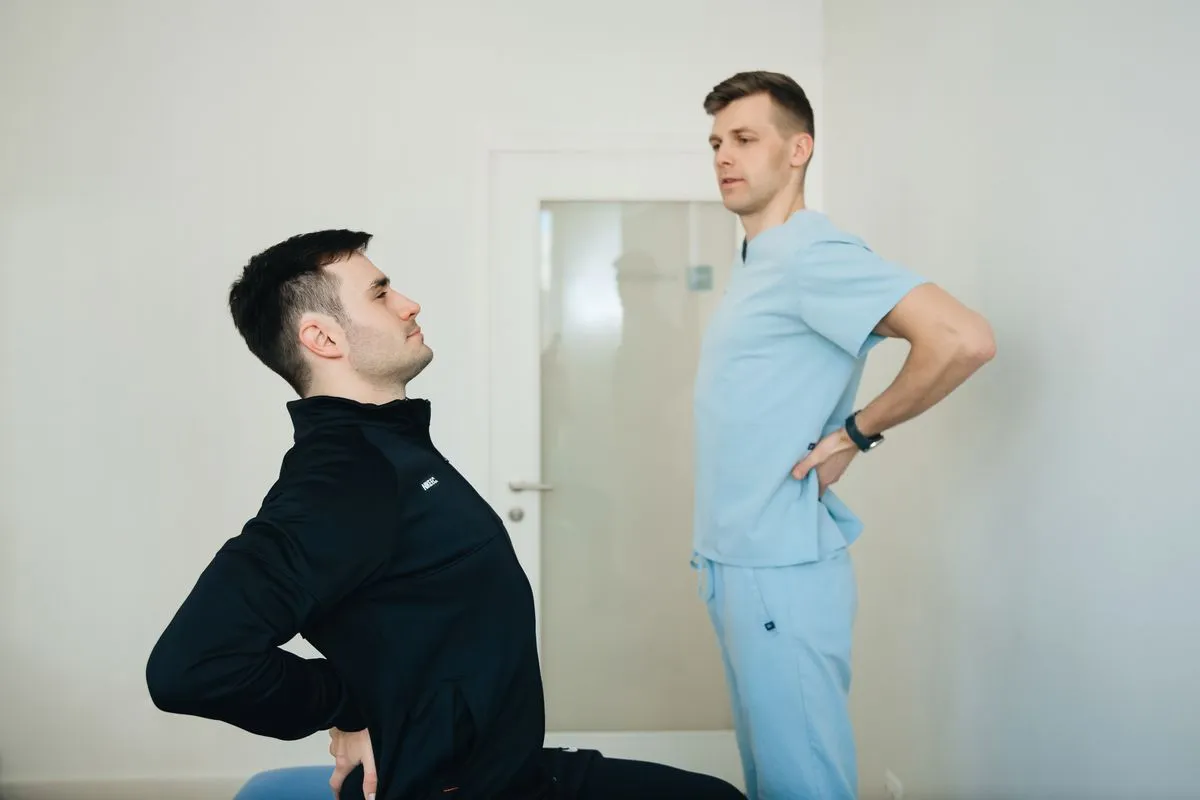
Muscle strengthening, physiotherapy and adapted exercise form the foundation of care. Movement mechanics, pacing, lifestyle adjustments and weight management when indicated can also help. Injections, when appropriate, support a wider plan with follow-up and measurable functional goals.
David Fernández-Fernández, MD
Dr. David Fernández-Fernández’s existing clinical profile combines joint preservation, reconstructive joint surgery and orthopaedic trauma care. Assessment brings together your symptoms, examination, imaging and goals to consider conservative treatment, a minimally invasive procedure or surgery when appropriate. Understanding the surgical options also helps explain when preserving the joint remains reasonable and when a different approach may serve you better.
Meet Dr. David Fernández-Fernández ↗A preparation made from your own blood with a higher platelet concentration. It is injected into a specific area after assessment, with the aim of improving symptoms in selected conditions.
It may help selected patients with pain and function, but results vary and studies disagree. Severity, previous care and the preparation used influence the discussion. It is generally considered alongside, or after, appropriate conservative care.
Reliable cartilage regeneration has not been established in clinical practice. Laboratory findings and biological mechanisms should not be interpreted as proof that PRP rebuilds an arthritic joint.
Symptom relief may allow some people to continue conservative care. There is no guarantee that PRP will delay or prevent a replacement; surgery may remain the most appropriate option for substantial pain and disability.
Blood sampling and the injection can cause discomfort. Temporary pain or swelling may follow. The specialist will explain comfort measures, aftercare and when to seek advice.
There is no single schedule for everyone. The diagnosis, preparation, medical protocol and response guide the number. Not everyone needs multiple sessions.
If improvement occurs, it generally develops gradually over weeks rather than immediately. The timing varies, and follow-up helps assess whether the treatment is useful.
Some studies observe symptom improvements over several months, but duration varies widely and some patients do not benefit. A fixed duration or a routine repeat-treatment schedule cannot be promised.
Using your own blood reduces some concerns associated with donor products, but does not eliminate risk. Temporary pain and swelling can occur; infection, bleeding and other complications are possible. Your health conditions and medication require review.
PRP is prepared from your blood and contains platelets and biological signalling substances. Hyaluronic acid is a viscosupplement intended to support the joint-fluid environment and symptom relief. Evidence, risks and suitability differ; neither is proven to restore cartilage.
Return is gradual and depends on your diagnosis, symptoms, functional progress and the demands of your sport. The doctor and rehabilitation team will guide activity; an injection does not justify immediate unrestricted sport.
A consultation reviews your medical history, examination, imaging where indicated and previous treatment. Together you can weigh realistic benefits, uncertainties, costs and alternatives before making a decision.
Not every joint problem requires surgery. Discover whether joint preservation treatments could be suitable for you.
General patient information, not an individual treatment recommendation. Guidelines differ and evidence continues to develop. The sources below explain the potential benefits and limitations. Treatment decisions require an individual medical assessment.